Turning Milk Surplus into Opportunity in Koshi Province

Sustainable agriculture
Adapted for the website by Sabina Sitaula17.12.2025
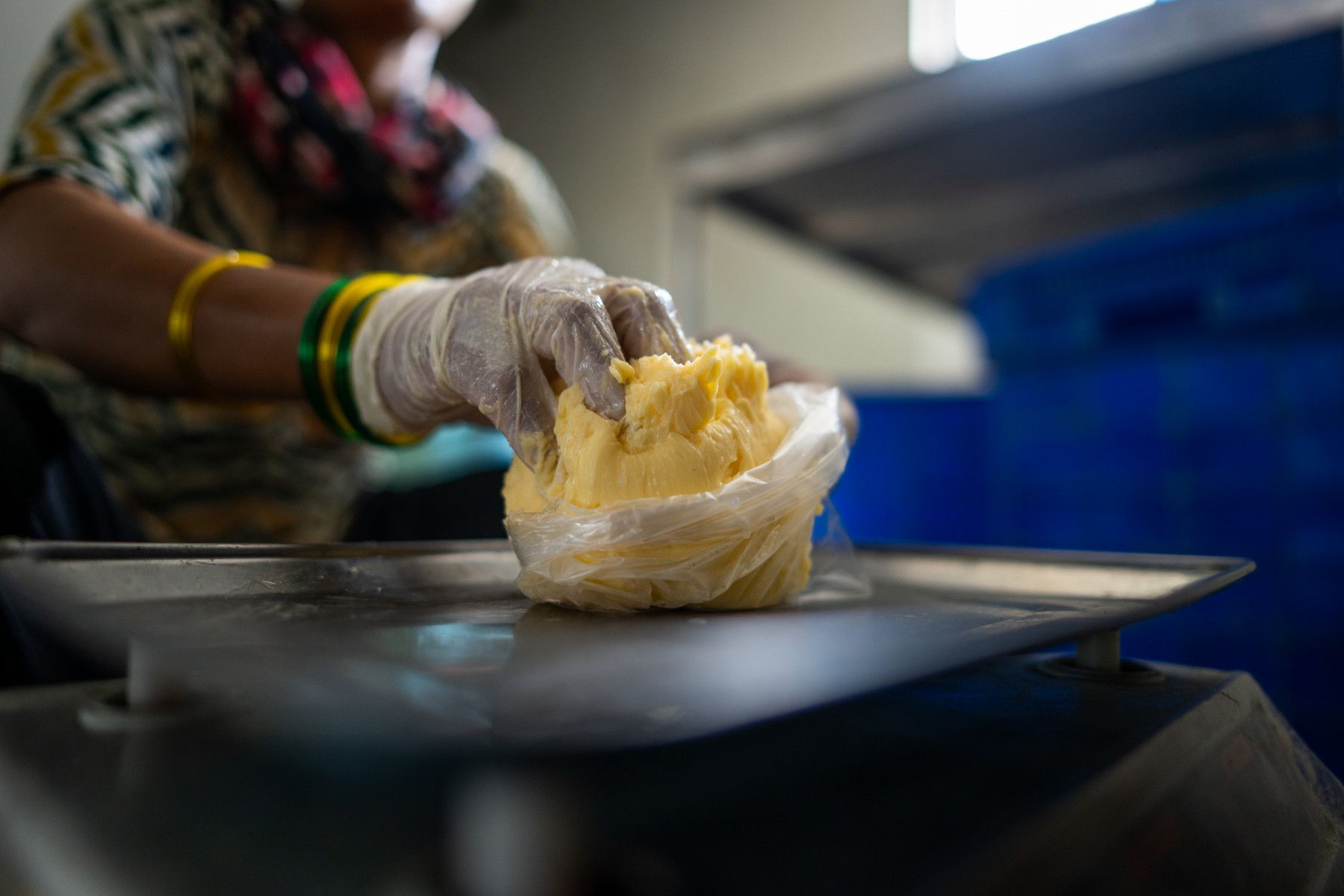
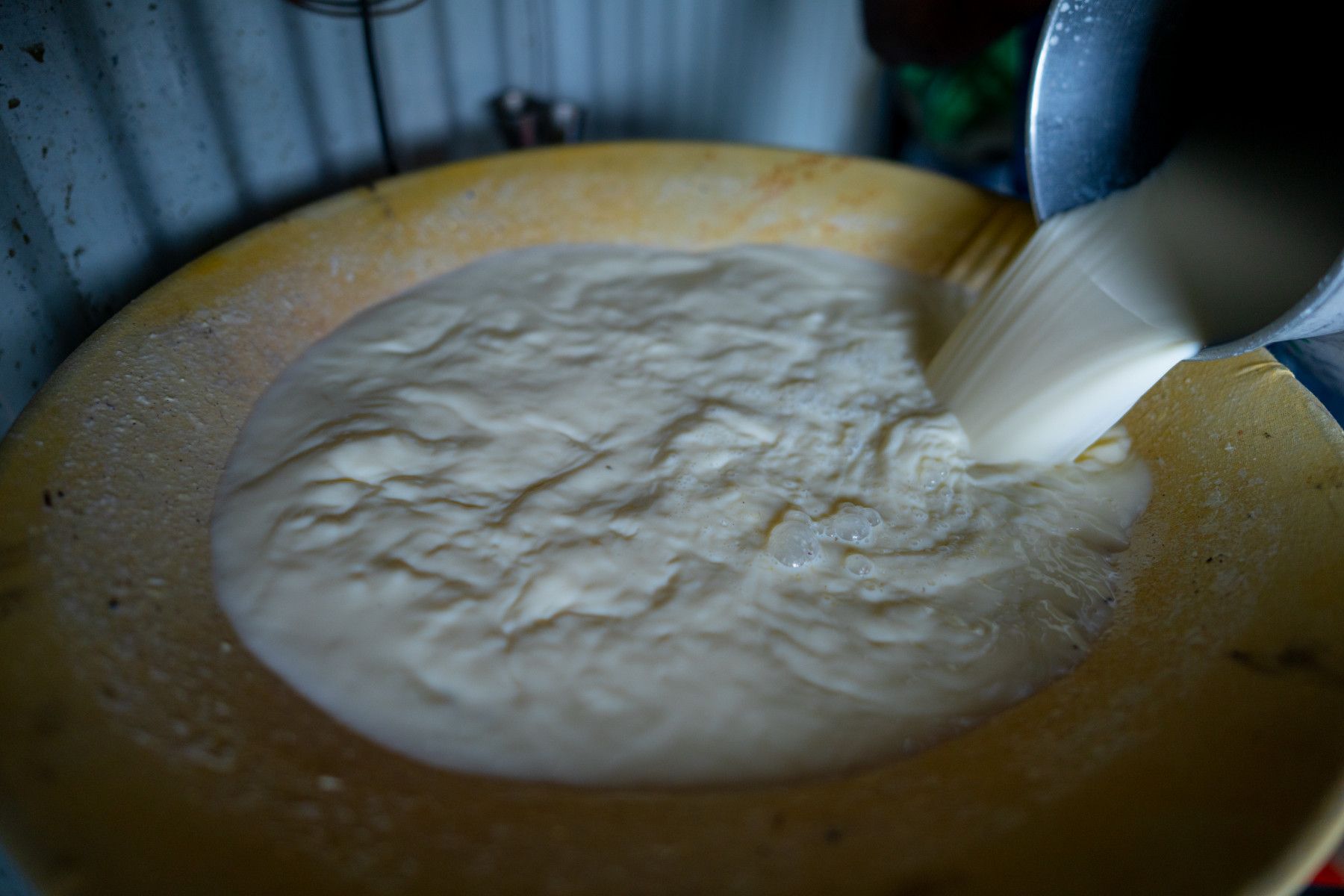
Koshi Province is one of Nepal’s major milk-producing regions, producing approximately 514,752 tons of milk annually. However, for many years, dairy farmers in Koshi faced an uncertain reality: surplus milk produced during the flush season often went to waste due to limited processing options and lack of wider market access. Today, this narrative is changing. With technical and financial support from the Swiss Agency for Development and Cooperation SDC funded project, Sahaj, farmers and dairy enterprises in Koshi are turning surplus milk into value-added products, creating stability for farmers and growth opportunities for businesses.

Today, this narrative is changing. With technical and financial support from the Swiss Agency for Development and Cooperation SDC funded project, Sahaj, farmers and dairy enterprises in Koshi are turning surplus milk into value-added products, creating stability for farmers and growth opportunities for businesses. Until a few years ago, milk holidays were common in Koshi. Farmers faced two to three milk holidays a week as the Dairy Development Corporation (DDC), the only state-owned dairy company, was the primary milk collector. This discouraged farmers from increasing production.

The Amdangde family from Jhapa, who have been engaged in dairy farming for nearly five years, resonate with this experience. Before Sahaj’s support, they hesitated to expand their herd and were even forced to scale down production. Now with the support from Sahaj, as the local dairy companies have diversified their product lines, introducing lassi, flavoured milk, and different types of cheese in the market, milk is absorbed even during peak flush seasons.

"We produce an average of 80–90 litres of milk every day. The price we are getting from the nearby dairy is good. Now, even if we produce 200 litres a day, it will not go to waste"
Laxmi Amdangde, a dairy farmer from Jhapa

Sharing risks and expertise for product diversification

At Ritika Dairy in Jhapa, plans to introduce flavoured milk were delayed due to uncertainty around capital investment and market risk. Sahaj stepped in by sharing the risk, investing NPR 5 million (CHF 27,000) and providing technical expertise. Today, Ritika Dairy operates a fully automated bottle-filling, heat-sealing, and retort system, producing 3,000 bottles of flavoured milk daily.

"Without Sahaj’s support, we might have entered the market only after two or three years, or even longer. The partnership helped us move much faster"
Yogendra Chimariya, Director of Ritika Dairy.

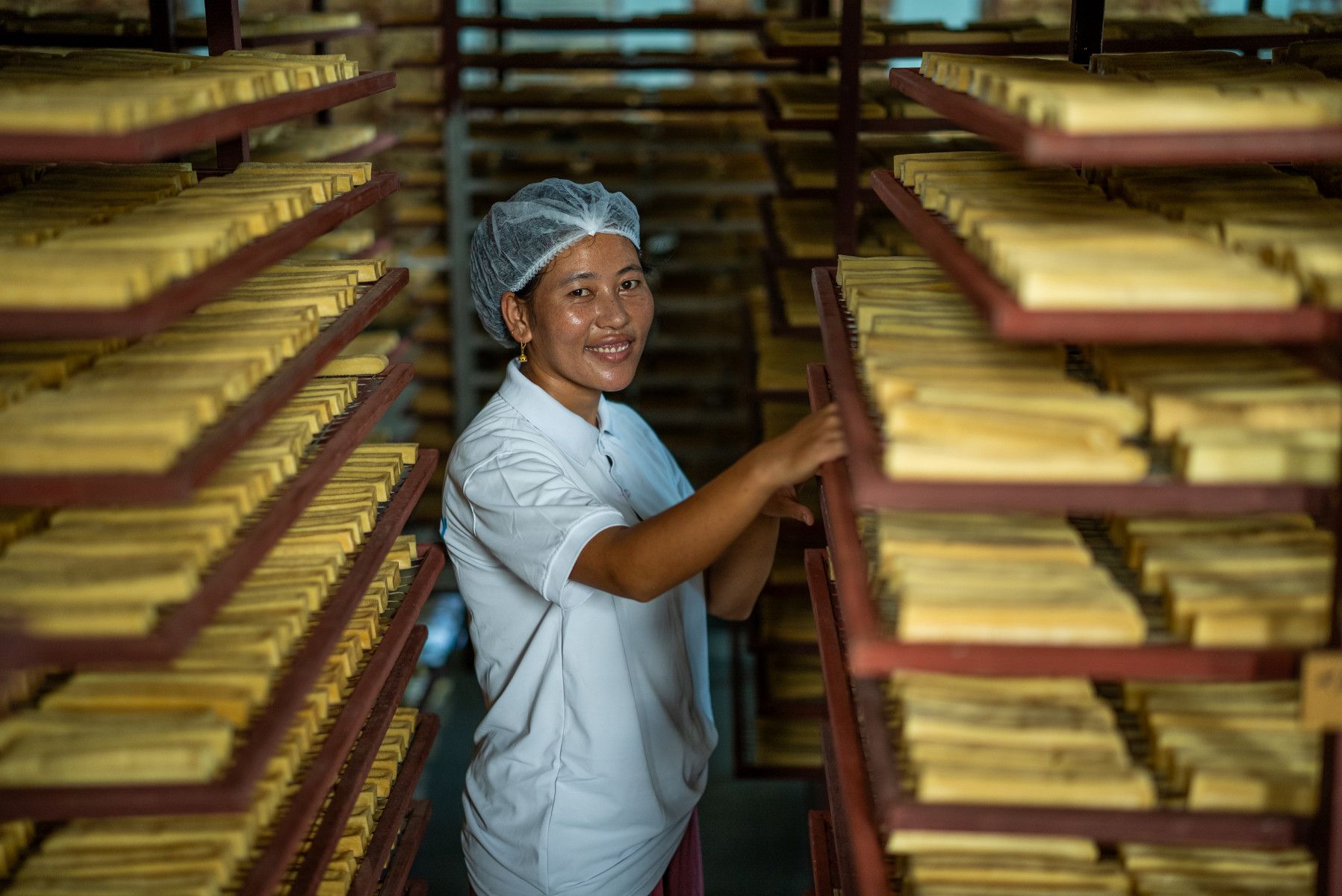
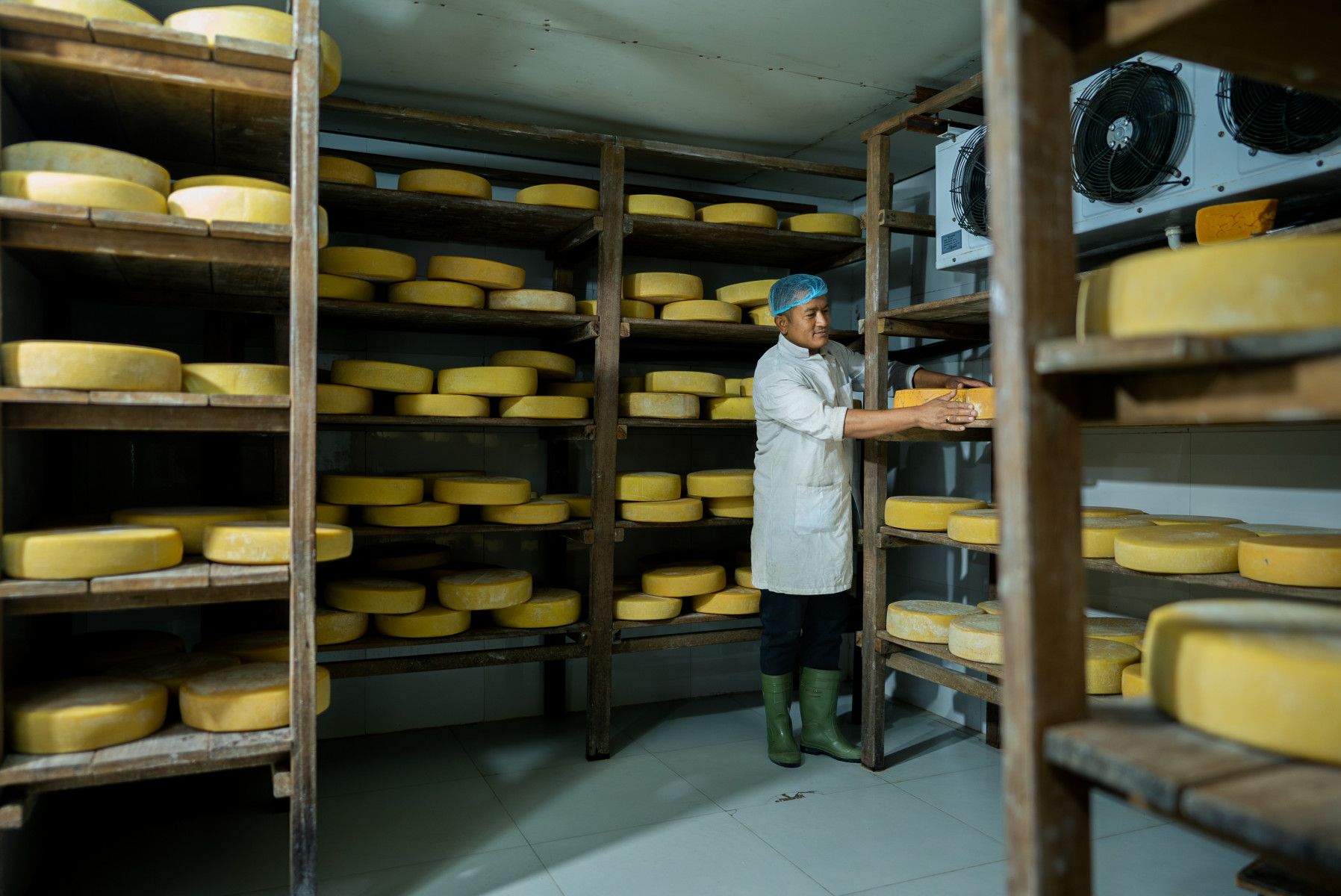
Sahaj has also supported dairy companies in Koshi to develop different types of cheese such as gouda, cheddar, and mozzarella through direct, hands-on support from Swiss experts who provide technical guidance for product diversification and quality improvement.

At Aadhunik Nepal Dairy in Chhitre, Taplejung, a Swiss cheese expert trained staff in modern cheese-making techniques. Previously the company produced only kanchan cheese, but with the support from the Swiss expert, the dairy now produces gouda and mozzarella cheese supplying to the markets in Biratnagar, Pokhara, and Kathmandu.

"The demand for our new products is huge. We have plans to increase production further"
Gyan Bahadur Sunuwar, Technical In-charge, Aadhunik Nepal Dairy

What does this mean for the local economy?

Before Sahaj’s intervention, farmers in Koshi relied mainly on DDC and often faced delayed payments. Sahaj strengthened direct market linkages between farmers and private dairy companies, ensuring timely payments and fair prices.

  • At Goras Dairy in Morang, Sahaj supported the procurement of a modern lassi packaging machine, improving product quality, extending shelf life, and increasing efficiency. The dairy now works directly with 2,000–2,500 farmers across four districts.
  • Swiss technical guidance has also improved quality standards. At Fikkal Dairy, the support from Swiss expert has helped improve the pasteurisation and standardised processes. Their production process now aligns with international standards, paving the way for future ISO certification and potential export opportunities.

While challenges such as labour shortages and illegal dairy imports persist, Sahaj’s impact is evident. Farmers are expanding herds, dairy companies are innovating new products, and milk is no longer wasted. Through product diversification, technical expertise, and stronger market linkages, Sahaj continues to build a resilient, inclusive, and market-oriented dairy sector in Koshi Province.

This article is an adapted version of the one published in New Business Age magazine

Sahaj is a bilateral initiative of the Government of Switzerland and the Government of Nepal, implemented by Swisscontact (as lead agency) and Centre for Environmental and Agricultural Policy Research, Extension and Development (CEAPRED).
2020 - 2025
Nepal
Sustainable agriculture
Sahaj - Nepal Agricultural Market Development Programme
In 2017, agriculture contributed around 27.04 per cent to Nepal's GDP. Agriculture is a major source of livelihood in the country. However, the agriculture sector is still in a nascent stage as far as technology and modern cultivation methods are concerned. Agriculture mainly engages smallholder farmers who continue to use traditional methods of...