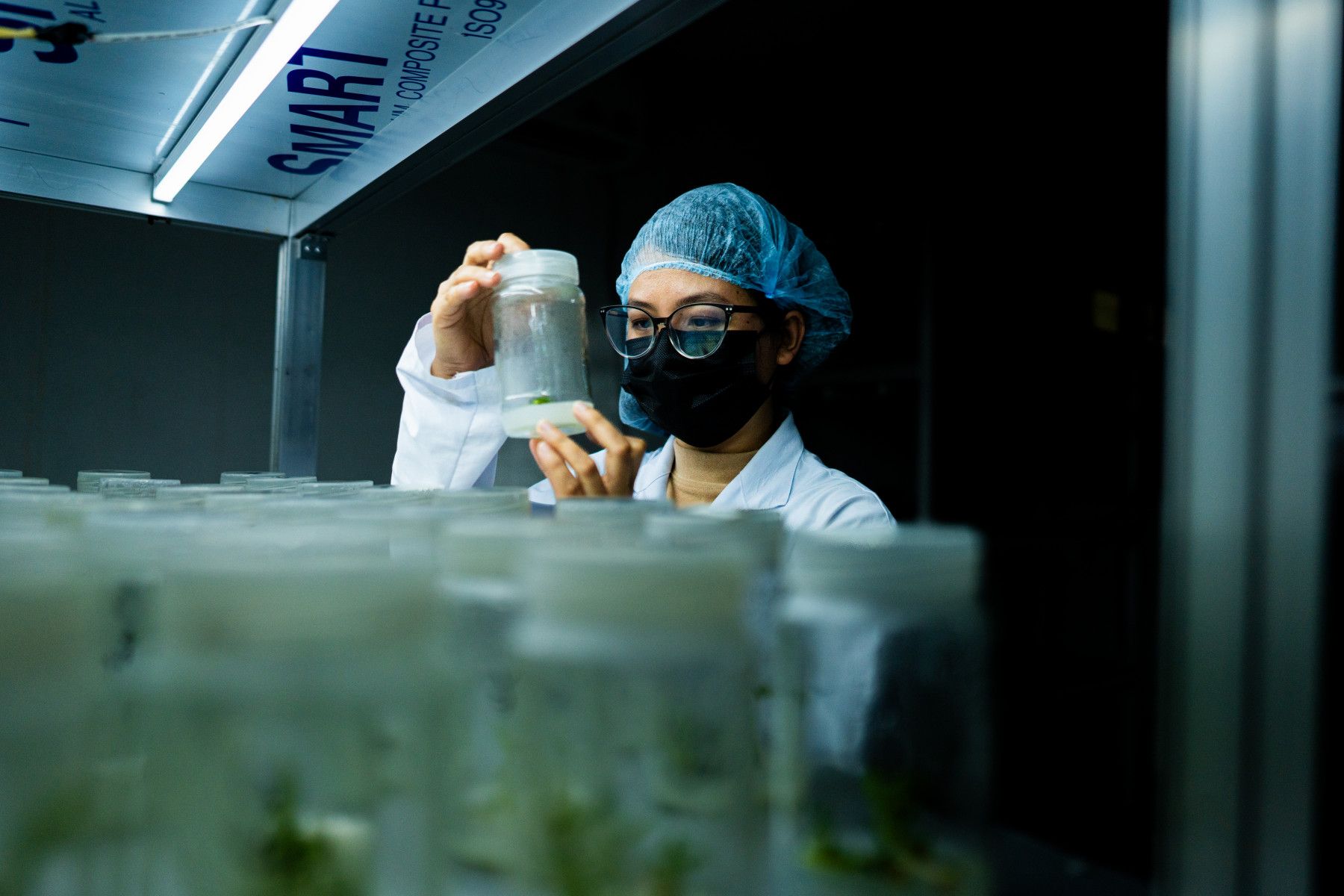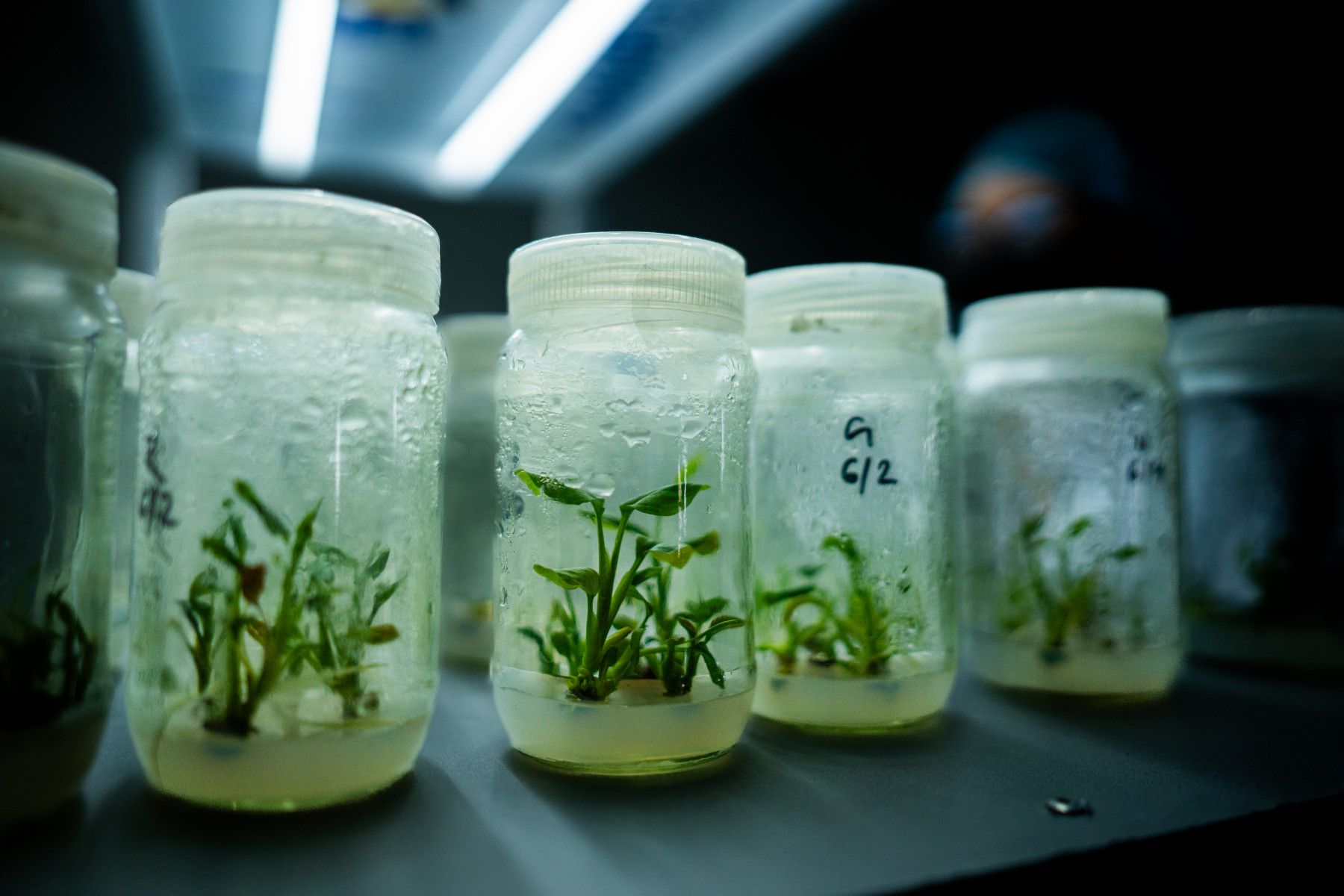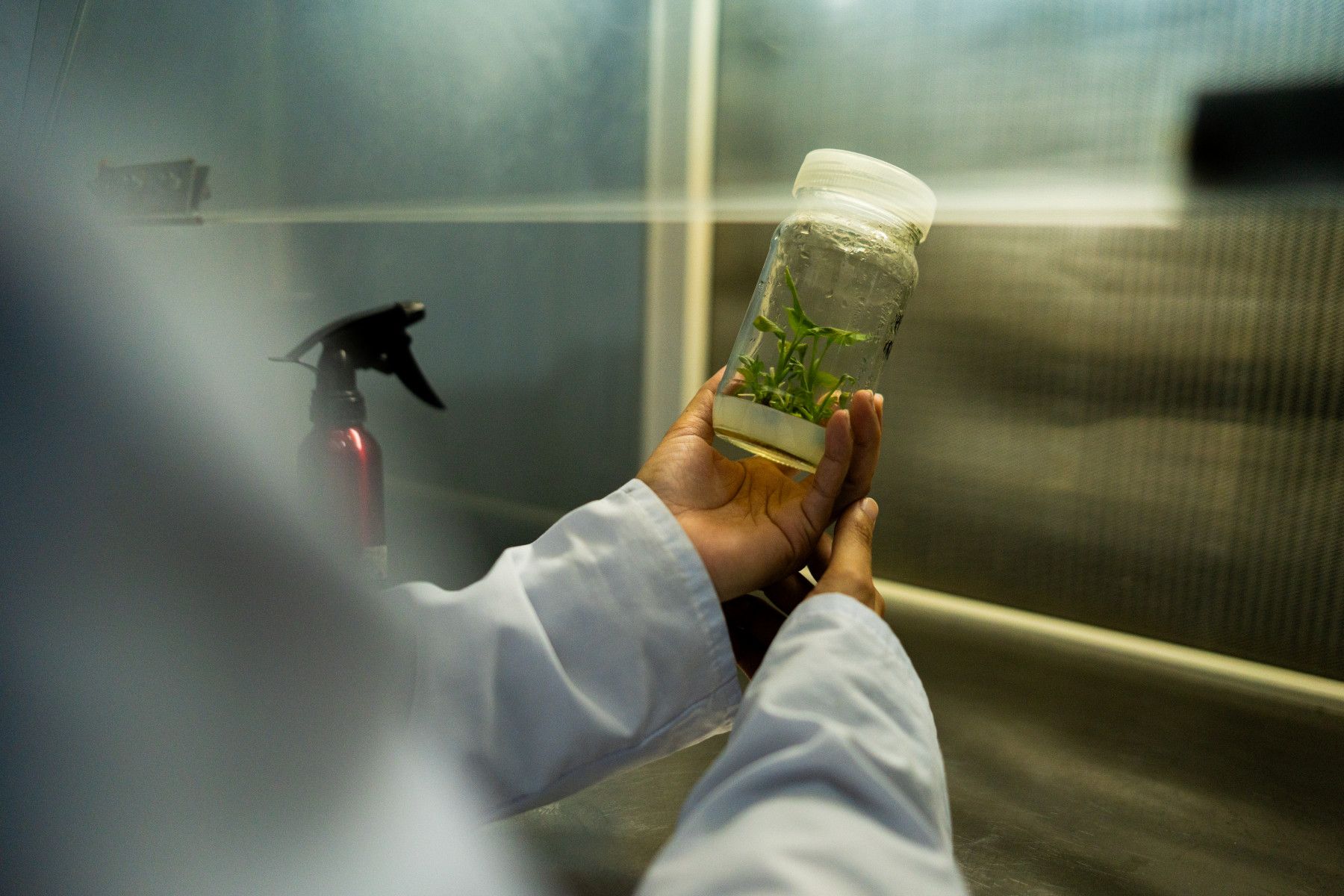
Robin Rai founded Monkshood Krishi Firm Pvt. Ltd., in 2014 to address one of the large cardamom sector’s most pressing challenges - widespread disease in large cardamom plants. By applying biotechnology and tissue culture, Monkshood produces high-quality, disease-free saplings that offer farmers a reliable alternative to traditional, disease-prone varieties.
A native of Ilam, Robin returned to his village a decade ago and saw firsthand the devastating impact of pests and plant diseases on cardamom farmers. He chose to act.
According to the National Agricultural Census 2021/22, large cardamom is cultivated by more than 56,000 farming households across approximately 18,000 hectares of land in Nepal. It was one of the country’s most significant export crops, contributing 5.4% to total exports in the fiscal year 2022/23.
Nirmal Bhattarai, President of the Large Cardamom Entrepreneurs’ Association of Nepal, stated that in fiscal year 2023/24, cardamom production had declined 20-50% due to drought and pest infestations. This not only threatens farmers’ income but also jeopardizes the country’s agricultural export potential.
Despite Monkshood’s promising beginnings, the firm faced a long pause in operations due to financial constraints and limited awareness about tissue culture technology. The turning point came when Swiss Agency for Development and Cooperation SDC project Sahaj, selected Robin’s firm Monkshood to participate in Aadhyanta Accelerator Programme where he received structured mentorship, business development support, and access to investment networks.
During the mentorship, Monkshood prepared a detailed investment memorandum and secured investment of NPR 1.8 crores (107,532 CHF) from a local investor. This funding allowed Robin to hire experienced technical staff and strengthen the production of tissue culture saplings. Today, Monkshood supplies 100,000 large cardamom saplings annually to Suryodaya Municipality and is preparing to scale up operations significantly.
Nepal’s large cardamom sector stands at a tipping point. The traditional methods that once sustained farming communities are no longer enough in the face of climate change, pest outbreaks, and unpredictable markets.
Monkshood aims to serve a broader farming community by expanding its product line to include disease-free saplings of ginger, banana, and tea. This expansion not only addresses similar plant health challenges in other cash crops, but also creates new income streams and adds resilience to Nepal’s agricultural ecosystem.
The groundwork has been laid. Farmers are responding. Demand is growing. But without timely support, the momentum risks stalling. Now is the moment for the government to prioritise agricultural biotechnology in their budgets and programming. It’s time for investors to back scalable models that blend profitability with impact.
Through the partnership between SDC project Sahaj and Aadhyanta Fund Management, over 25 businesses in Koshi Province received support to become investment-ready and grow. The collaboration also led to the launch of a business growth centre at FNCCI Koshi, which will continue offering services beyond the project’s duration.
Sahaj is a bilateral initiative of the Government of Switzerland and the Government of Nepal, implemented by Swisscontact (as lead agency) and Centre for Environmental and Agricultural Policy Research, Extension and Development (CEAPRED).