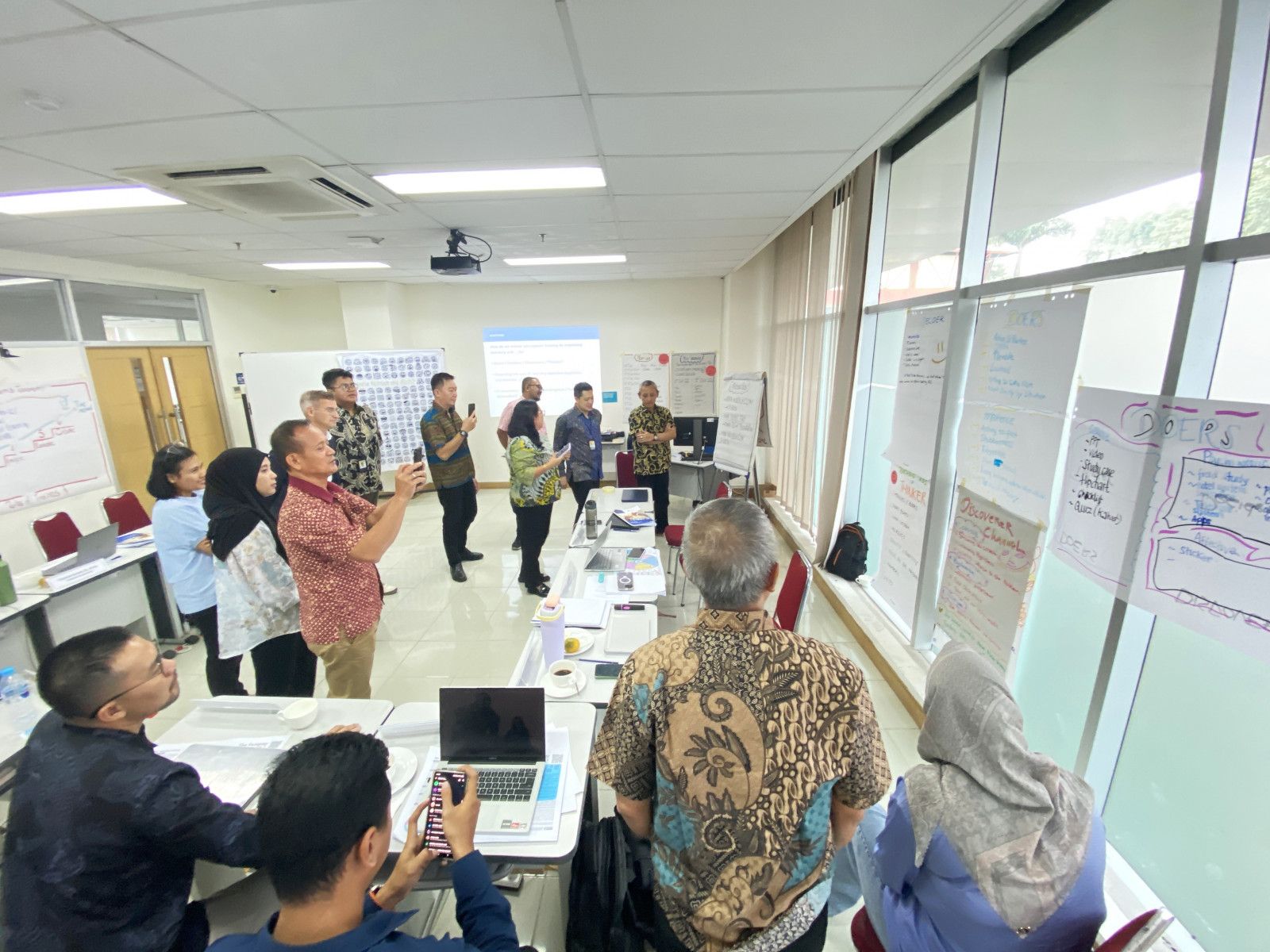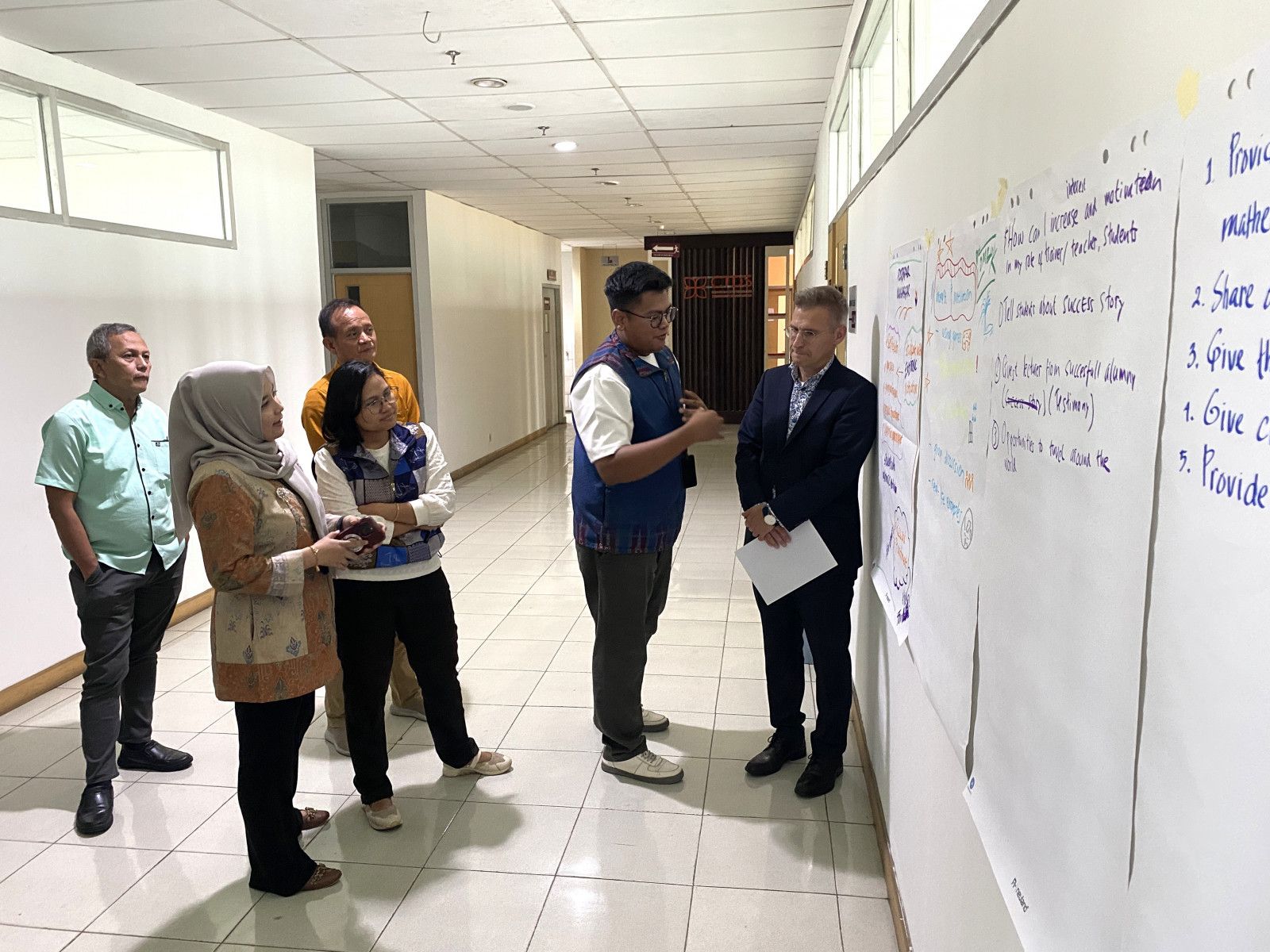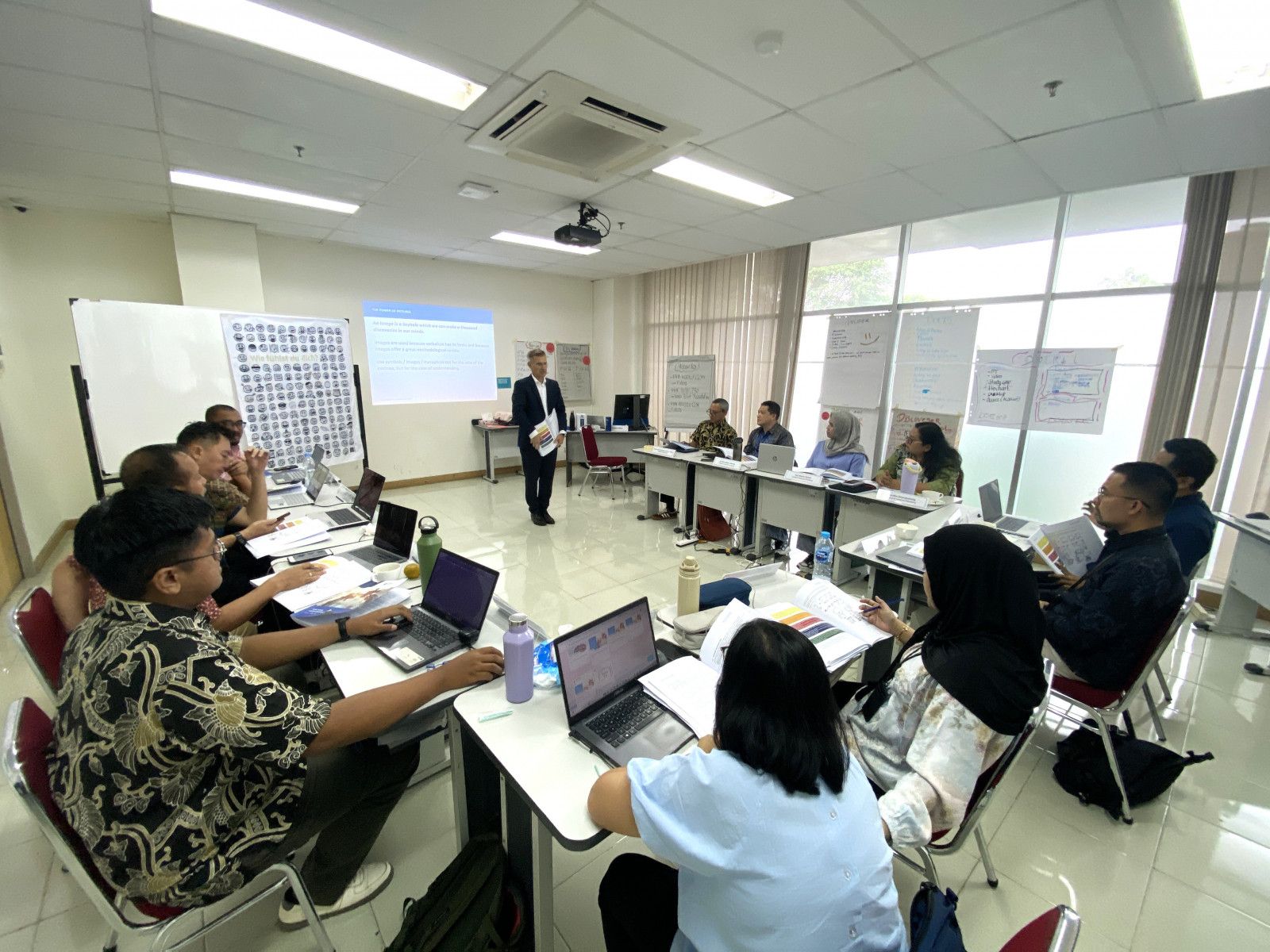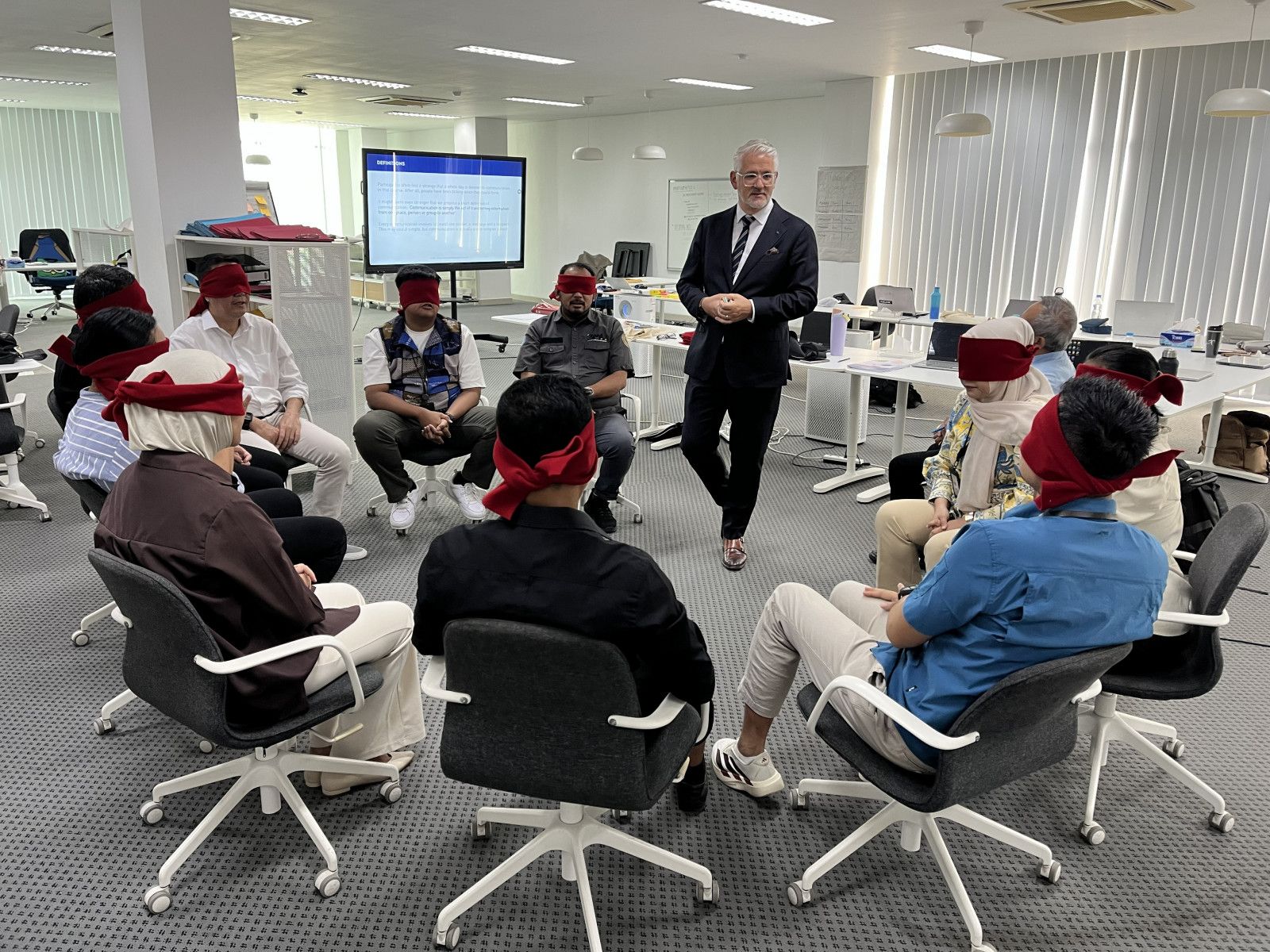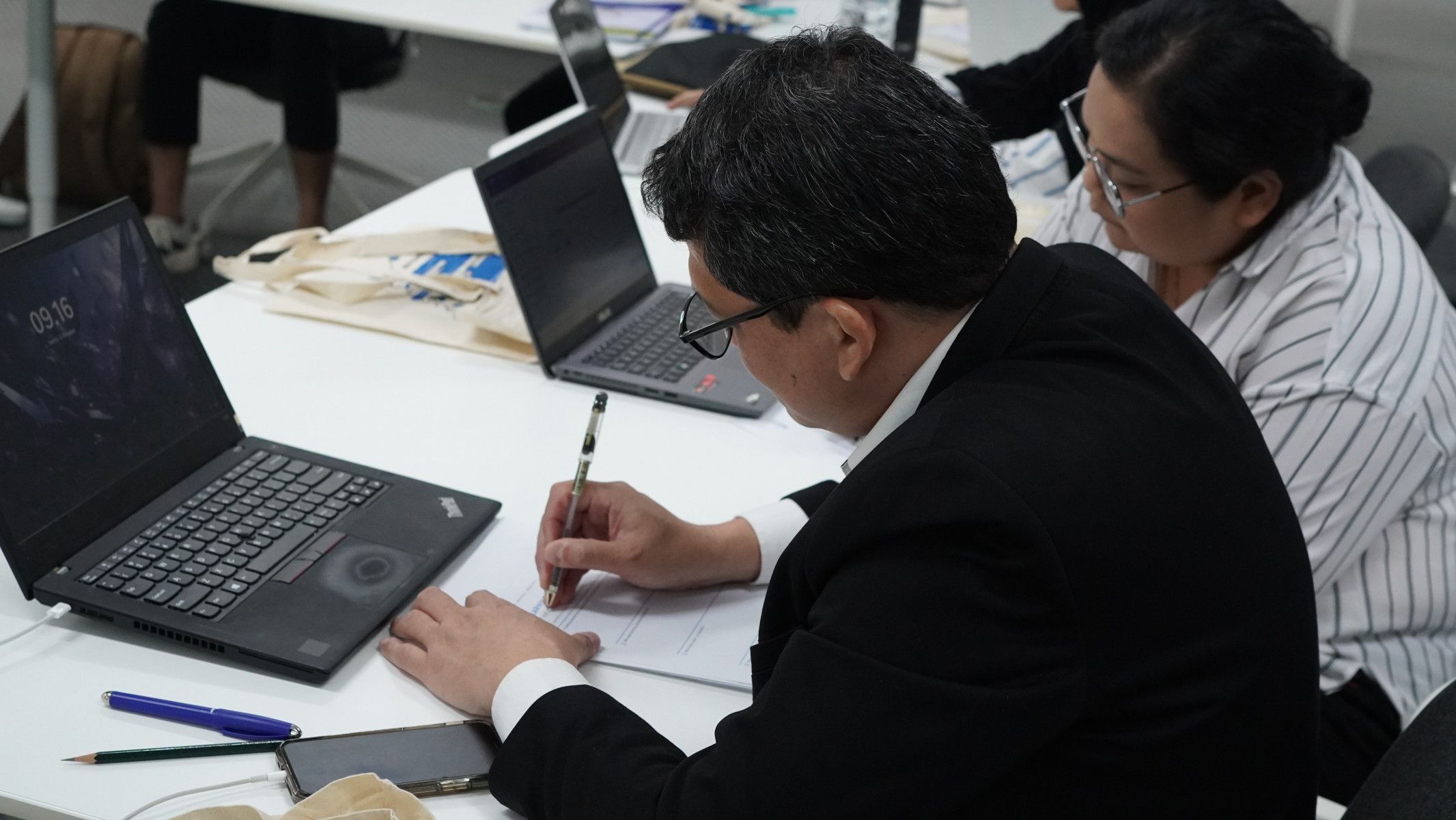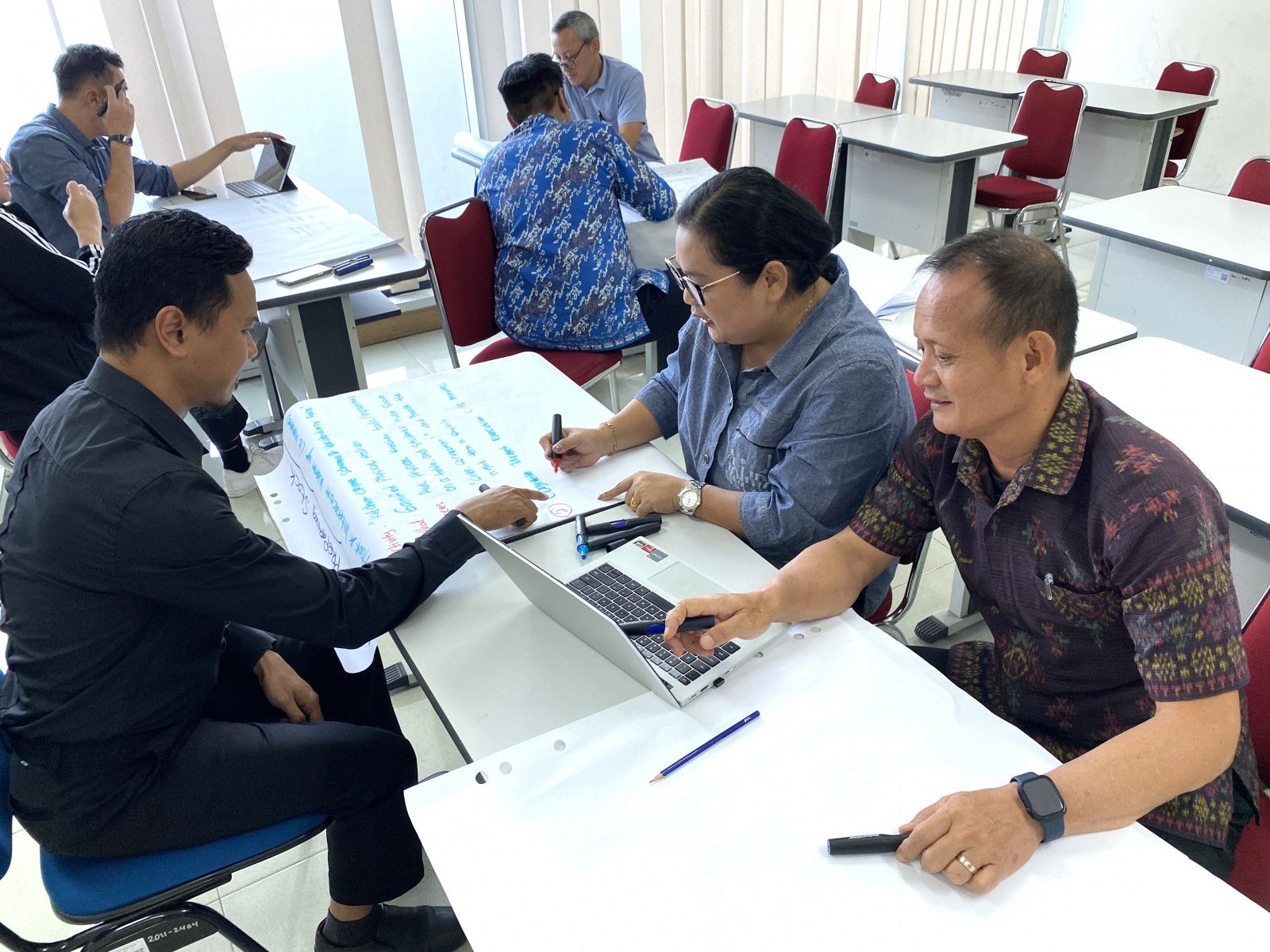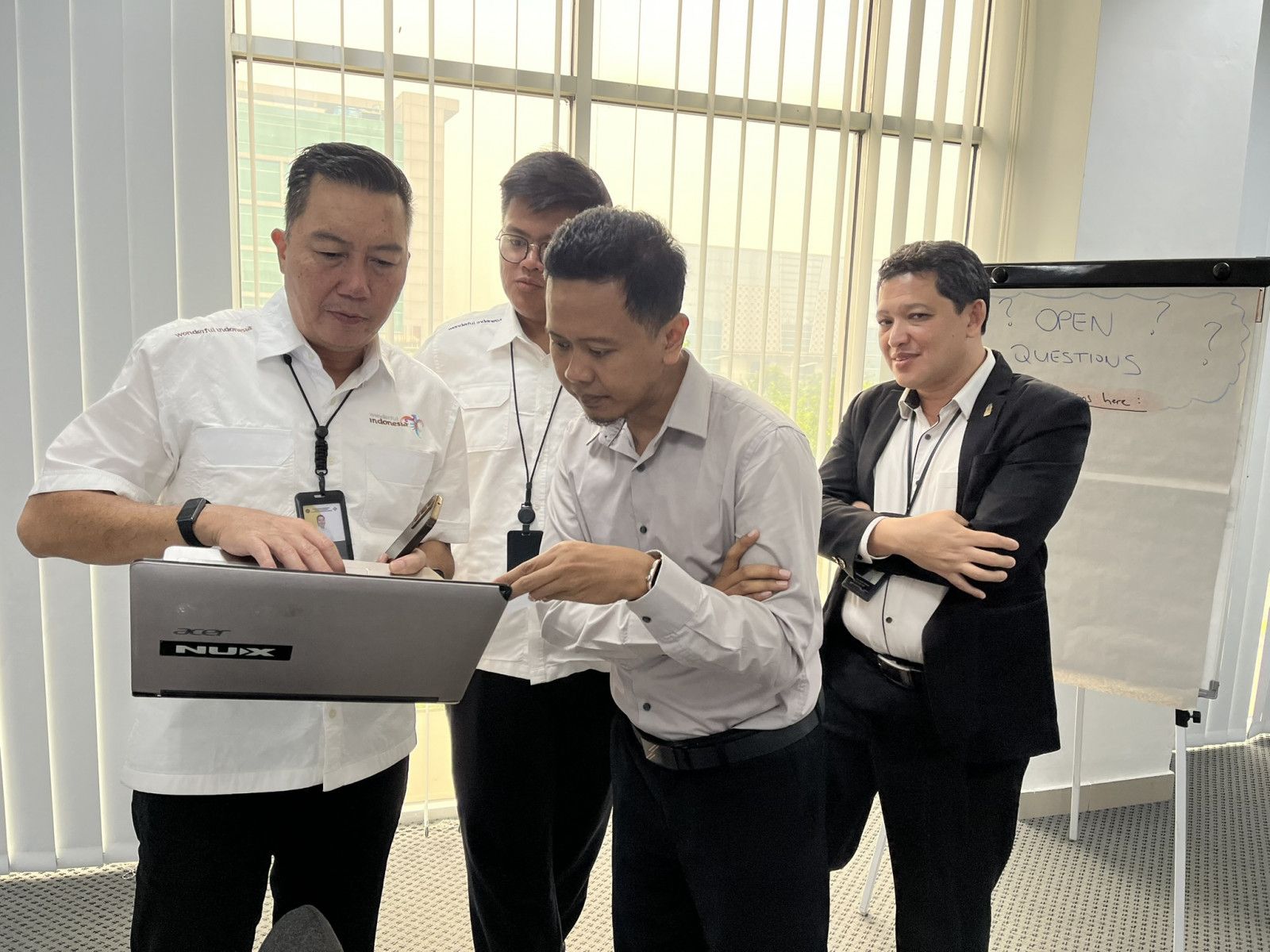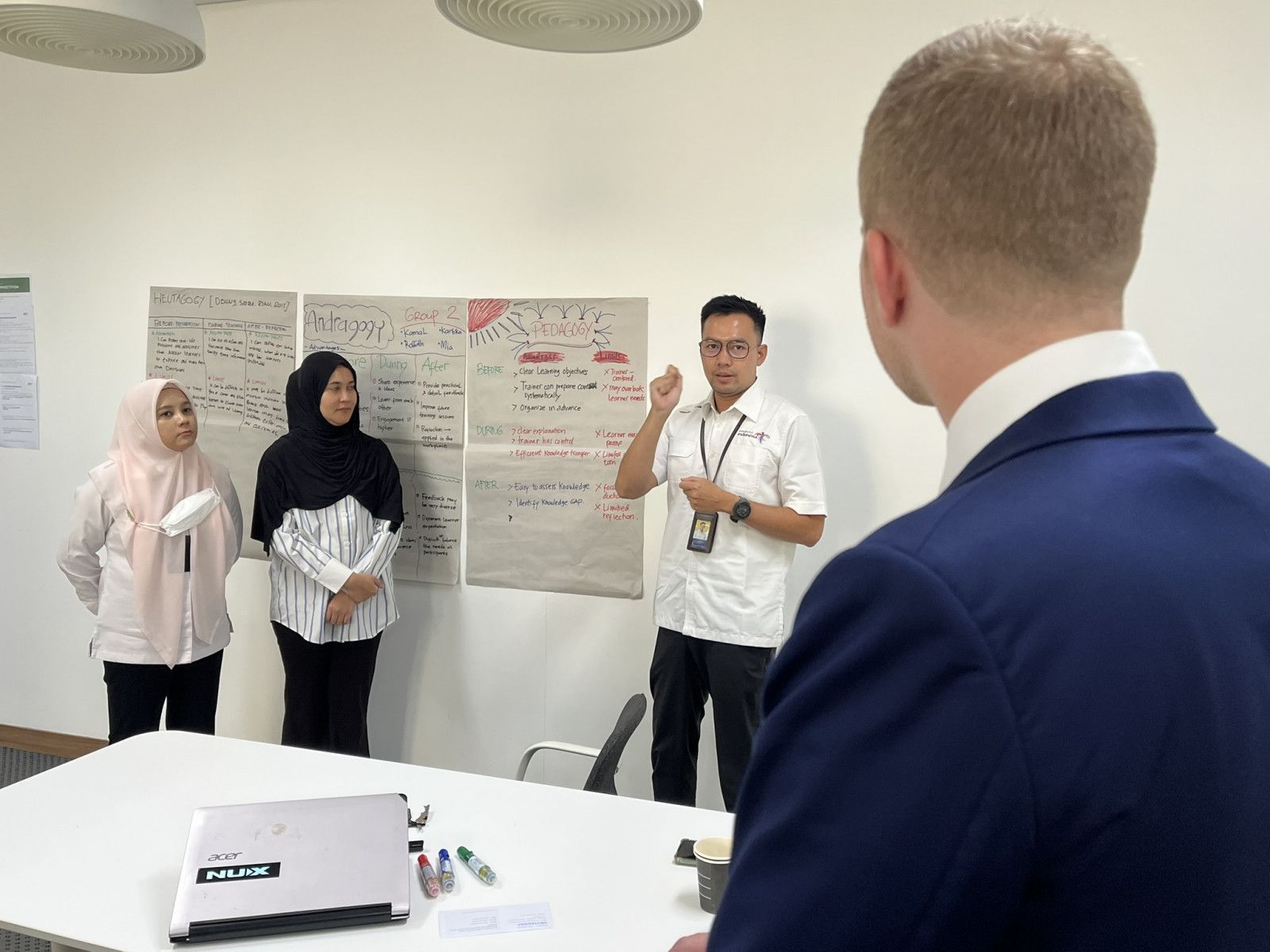
Inside a training room at Politeknik Pariwisata NHI Bandung, twelve lecturers from six Tourism Polytechnics across Indonesia are discussing personality traits, navigating conflicts, reflecting on their own communication styles, and examining how different people absorb information. At first glance, it feels surprisingly unrelated to tourism.
Most lecturers enter education because of their knowledge and expertise, be it tourism, hospitality, management, or operations. There is, however, a great difference in skill sets between knowing and helping others learn. The Swiss Federation for Adult Learning (SVEB) programme focuses on the latter. A collaboration between the Ministry of Tourism, Swisscontact Indonesia through the Swiss Skills for Competitiveness (SS4C) initiative, and SHL Schweizerische Hotelfachschule Luzern begins with a simple premise: adults learn differently. Participants explore how to design learning experiences. They learn how to structure lessons around participation instead of passive listening. How to create environments where reflection matters as much as instruction. A strategic move by shifting attention away from the lecturer and toward the learner.
SVEB Batch 4 was designed with this exact notion in mind. The process unfolds across three phases. It begins with five intensive days of face-to-face learning in July 2026. Guided by Christian Moro from SHL, participants explore the foundations of learner-centered education, from designing meaningful lessons to creating learning experiences that people actually remember. The goal is to help lecturers become architects of learning rather than distributors of information. In September 2026, the conversation moves online through eight interactive sessions led by four SHL trainers, each tackling a challenge every educator eventually faces. These include understanding different personality traits, managing conflict, making online learning truly engaging, and helping learners recognize their own achievements.
Then comes the final test. In October 2026, participants reconvene at the Tourism Polytechnic in Palembang for an advanced on-site programme where theory meets practice. Through mini-lessons, live demonstrations, peer feedback, and reflection sessions led by Timo Albiez and Jordan Kestle, lecturers are challenged to apply everything they have learned in real teaching situations. It is a design that mirrors the philosophy it promotes, where learning is a process of practice, feedback, adjustment, and growth.
The twelve lecturers who participated in SVEB Batch 4 might feel like a small number until we consider what happens next. Every lecturer returns to their institution, and every institution serves hundreds of students. They then move into hotels, restaurants, attractions, tourism businesses, and destinations across Indonesia. The impact multiplies. Hundreds of learners can influence thousands of guest experiences. Improving one person becomes truly strategic.
These are what make SVEB different. Its success may happen months later in a classroom somewhere when a lecturer decides to replace a long presentation with a discussion. Or a student who rarely speaks feels comfortable enough to participate. Or when a lesson suddenly connects with a real workplace problem. Moments like these rarely appear in reports, nor do they show up in attendance sheets, but they are often where real change begins.
Many development programmes can point to training certificates or completed workshops. The harder question is whether new practices survive once the trainers and external support leave. Over three batches between 2023 and 2025, the experience showed that lasting improvement depends on ownership. The strongest results emerge when institutions embrace new approaches as part of their daily culture rather than as a project requirement.
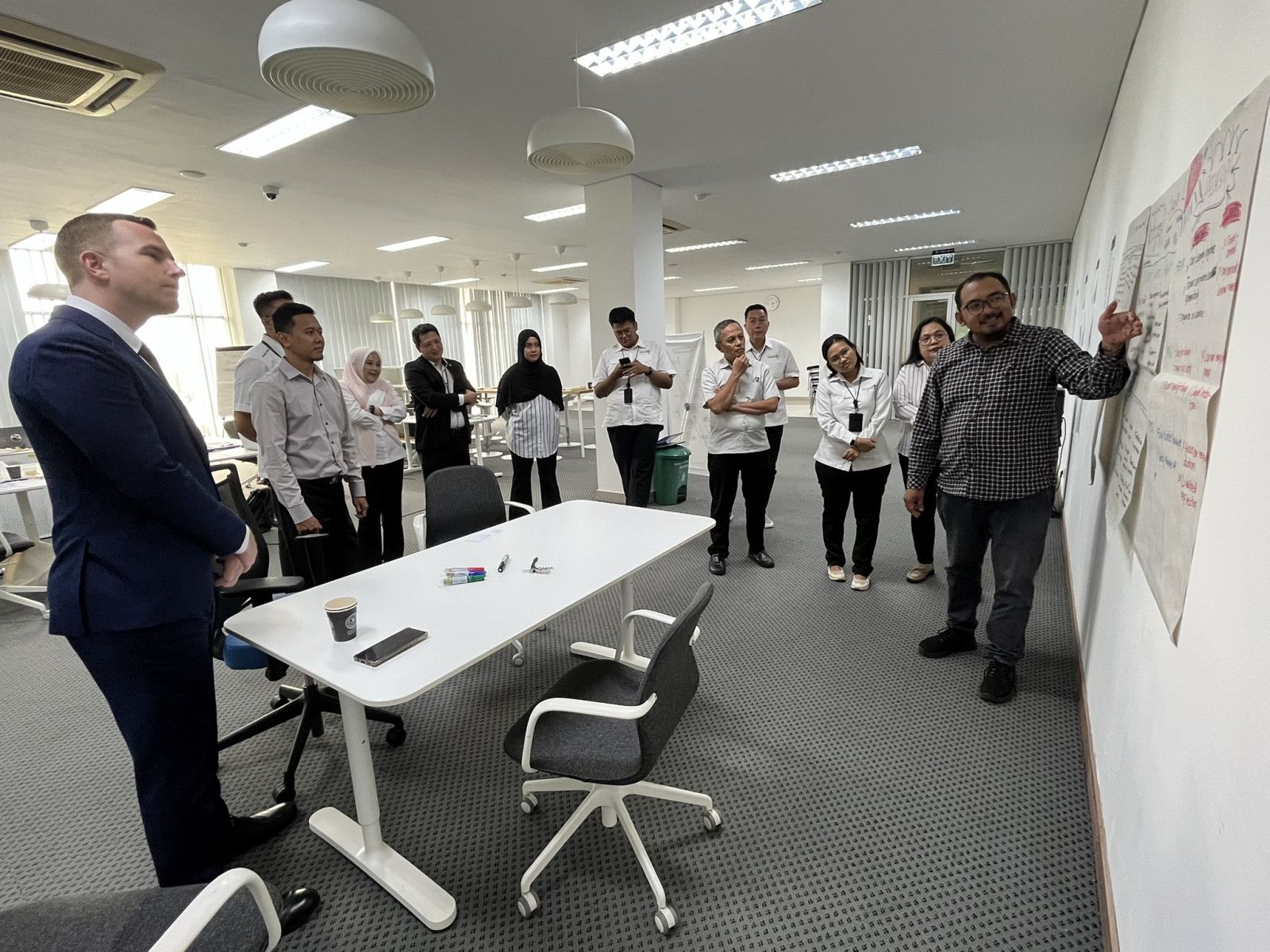
The Assistant Deputy for Human Resources Capacity Improvement of the Apparatus and Vocational Education (Asdep AVA) conducted the SVEB Alumni Monitoring and Coaching programme to put their teaching under the microscope. Armed with the SVEB three-step model of Observation, Impact, and Wish, they observed one another's classes and exchanged candid feedback to answer, “How do we make better teaching a permanent habit rather than a one-time intervention?” Several answers include regular peer observations and lecturer exchange programmes across tourism polytechnics, and periodic refresher courses for SVEB alumni.
This is also where private-sector and funding support becomes particularly important. Tourism businesses, hotel groups, destination operators, and industry associations can help lecturers stay connected to the realities of the workplace. Funding can help convene these partnerships. Combine them, and they create a virtuous cycle. Industry helps shape what lecturers teach, lecturers prepare students more effectively, and businesses gain access to graduates who are better equipped to meet evolving industry expectations. In this sense, the future of tourism education cannot be carried by educational institutions alone. It grows stronger when industry sees talent development as an investment in the quality of its future workforce, and this is how the circle of opportunities is created.
Swiss Skills for Competitiveness (SS4C) initiative is a merger of the Skills for Competitiveness (S4C) and Sustainable Tourism Education Development (STED) projects, funded by the Swiss State Secretariat for Economic Affairs (SECO) and implemented by Swisscontact in Indonesia.