Walking across campuses daily, thousands of students do so without realizing they are also surrounded by one of the most overlooked learning resources. Waste. While most institutions see waste as a problem to be disposed of before it becomes an environmental burden, Polije is looking for ways to transform waste into a learning opportunity: a sustainability living lab with a practical training ground where students can experience real-world systems in action.
For several years, Polije has been working to strengthen its role as a leading vocational institution that closes the gap between learning and workplace practice through curriculum alignment within the Swiss Skills for Competitiveness (SS4C) programme. The campus waste facility became one of the starting points for learning. It was designed as a centre for waste processing and skills development where students could observe firsthand how sustainable waste systems operate and gain exposure to resource efficiency and circular economy practices. While assessing which Teaching Factories (TEFA) could evolve into learning-centered models, both Polije and Swisscontact Indonesia developed practical operational frameworks and training materials that strengthen educational outcomes. Learning becomes more relevant as teaching reflects actual practice. This will later benefit companies when graduates arrive with hands-on experience.
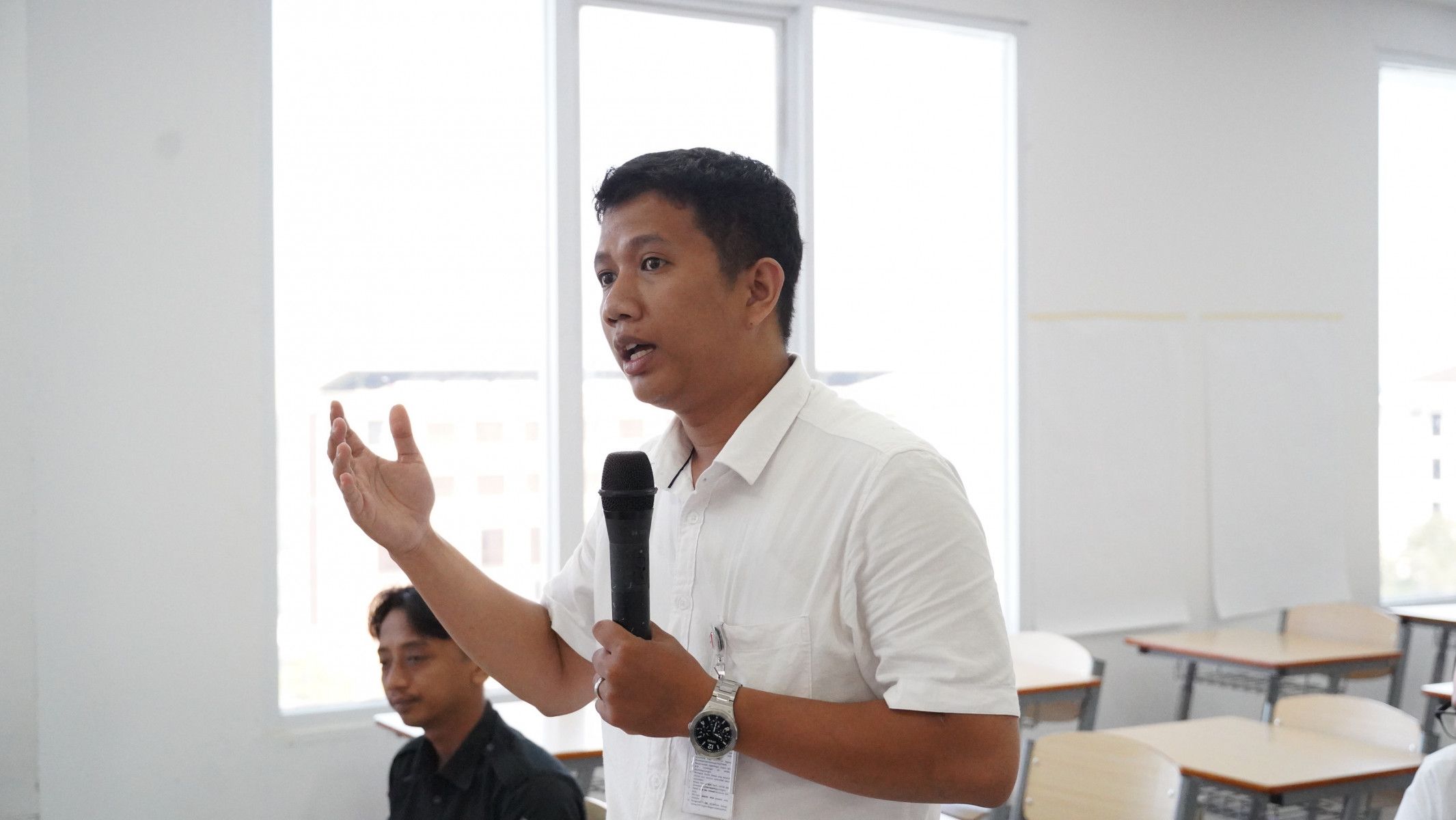
Polije realized that while graduates and budgets fluctuate, systems must endure. The plan was set to focus on strengthening governance and the technical operations of waste systems. In collaboration with an Indonesian social enterprise that provides end-to-end waste management solutions, Waste4Change, Swisscontact Indonesia supported and integrated specialised expertise into waste management training on how the institution learns and operates. Vice Director for Finance and General Affairs, Dr. Yossi Wibisono S.TP. M.P., highlighted a growing recognition within higher education that sustainability should go beyond infrastructure.
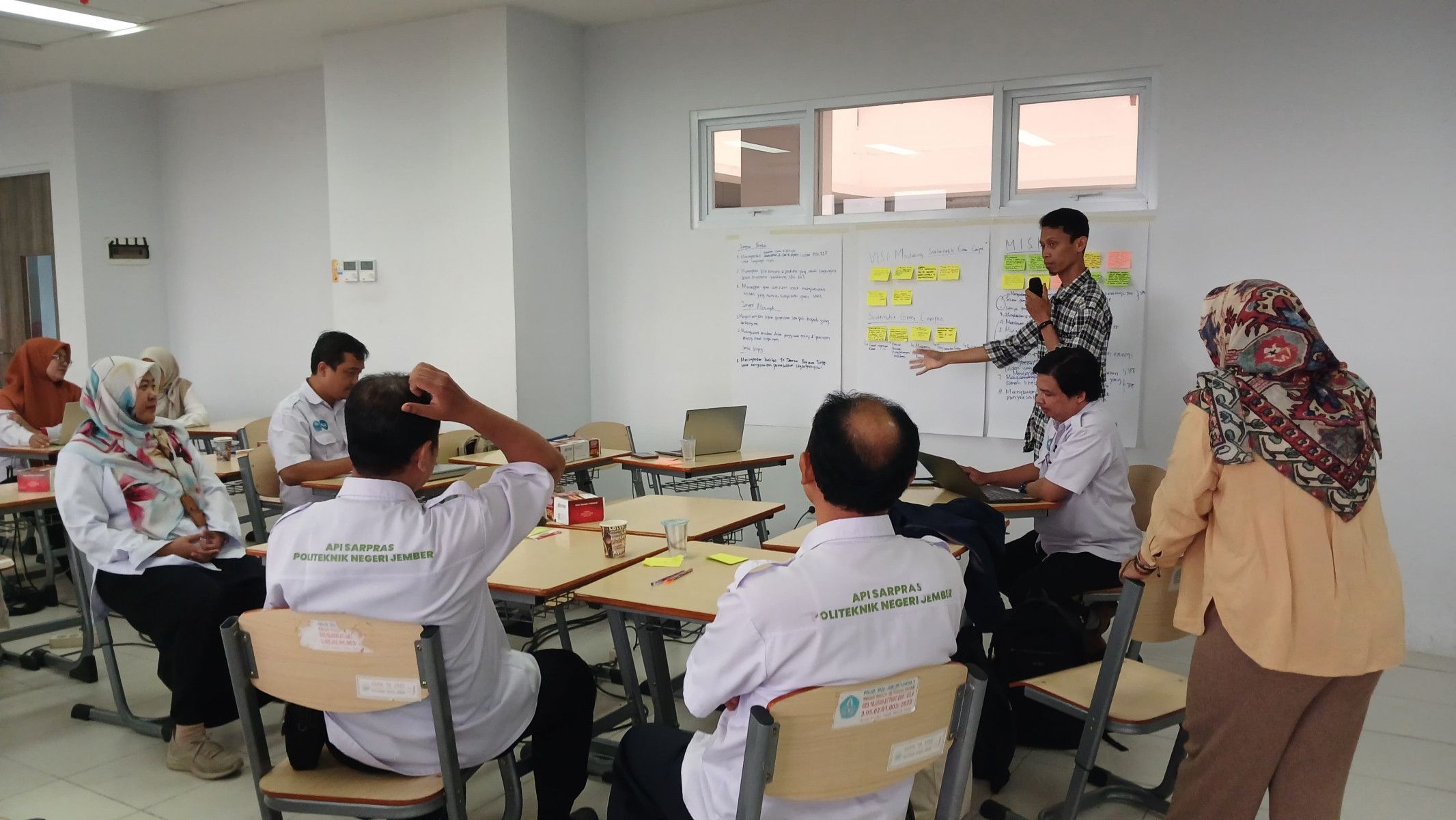
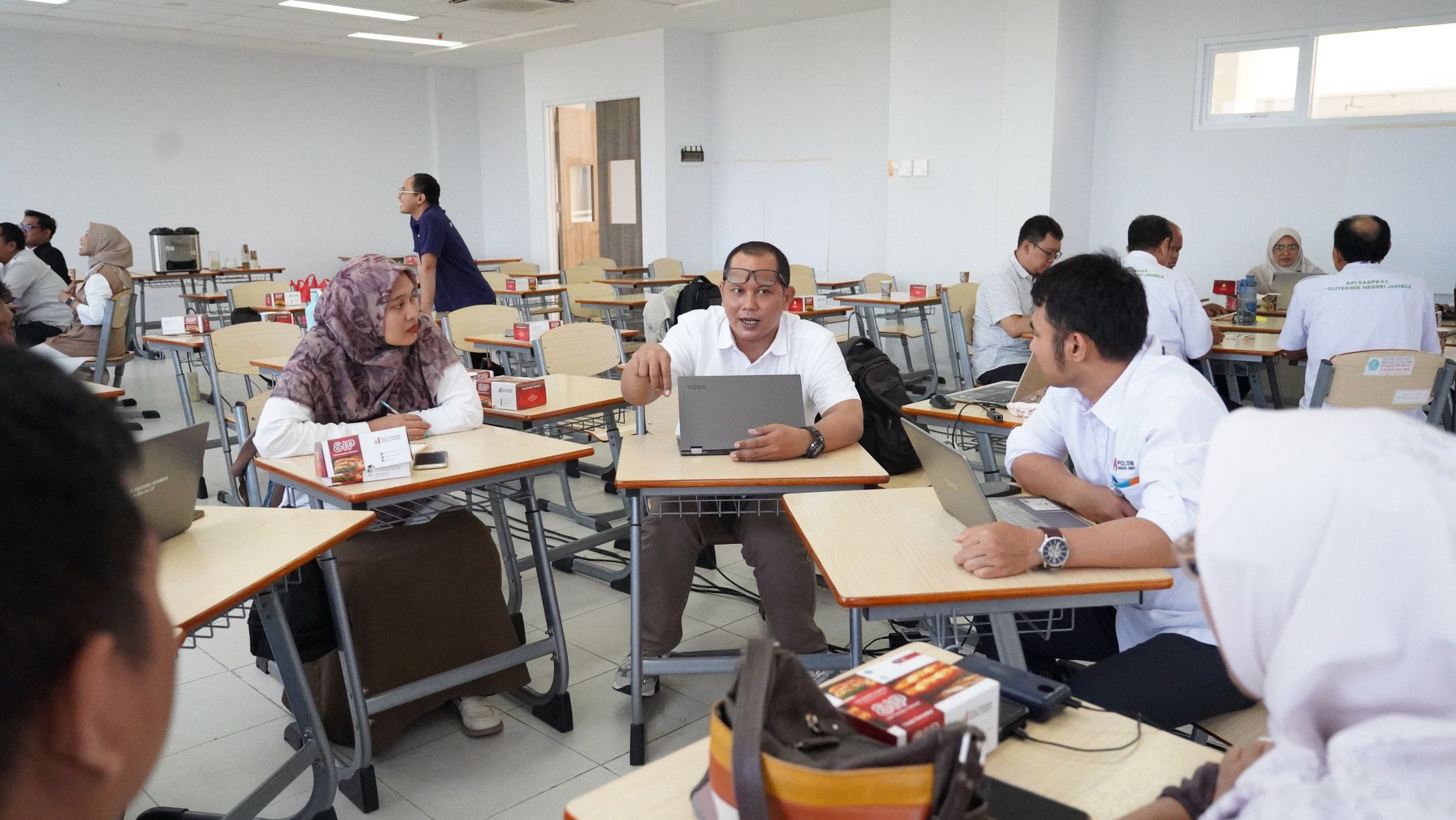
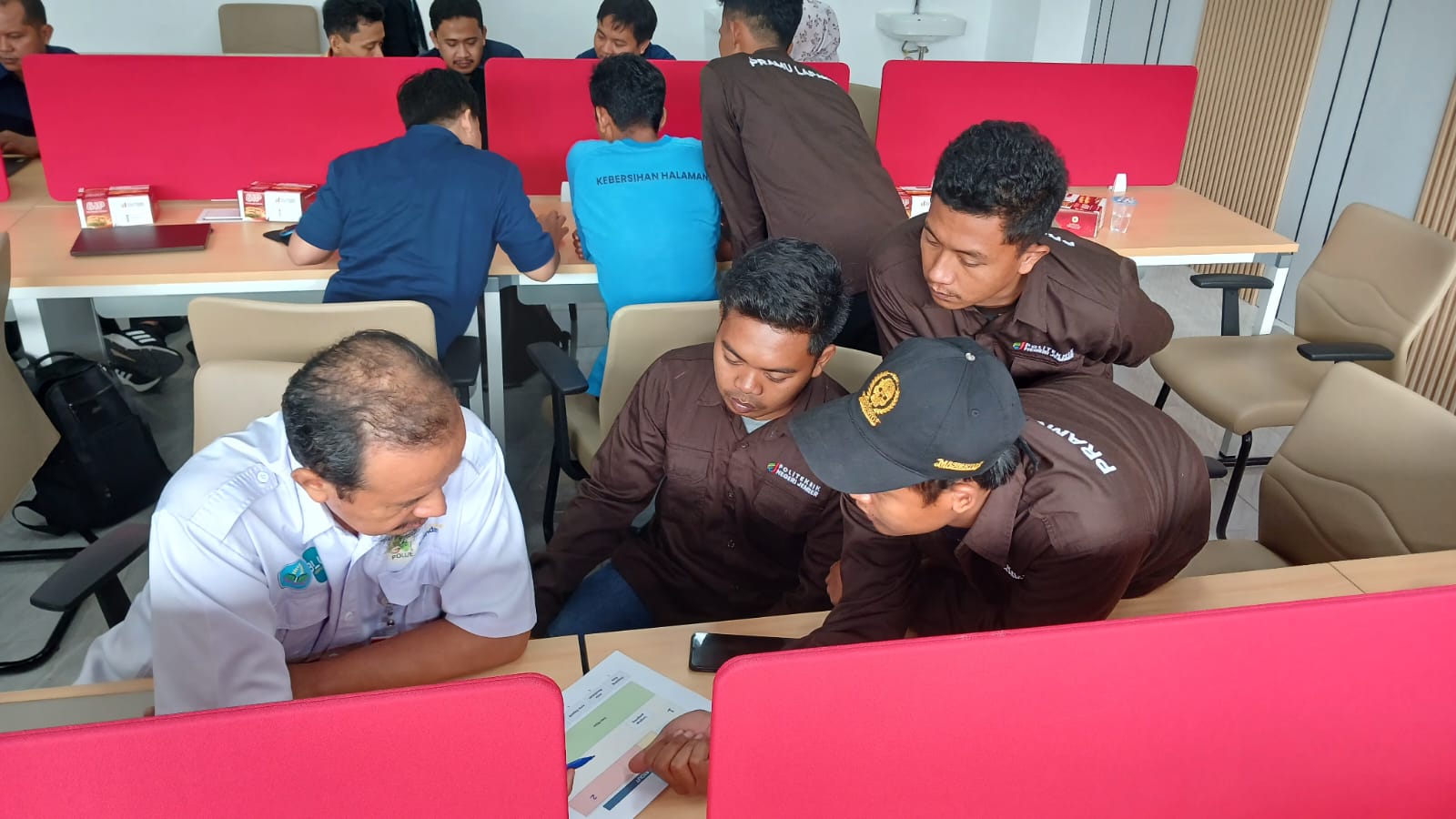
The training programme on the institutionalisation of waste facilities with Waste4Change moved the conversation from tactical waste handling to governance integration in the hope of creating structured habits. Campus leaders, administrative departments, academics, sustainability teams, technical staff, and student representatives joined the session to bolster their credentials as a green campus. Drawing on extensive experience in environmental preservation and community empowerment, Dwi Retnastuti from Waste4Change provided practical insights into building integrated waste management systems that can endure beyond individual projects or leadership cycles.
Driven by the programme, Polije initiated a series of strategic reforms to establish a fully integrated waste management system. These include developing a long-term sustainability vision and creating a formal organisational structure for waste governance. Due to the formal organisational structures in place, campus leaders became involved, student organisations joined discussions, teaching factory representatives participated, guidelines were developed, and monitoring mechanisms were introduced. Roles became clear. Waste across campus buildings and student residences was managed through a process based on recycling and circular economy principles. At first sight, the work looked less like a project and more like governance, treating the campus as a small sustainable city.
One of the most significant actions to emerge from the process was perhaps the presence of Green Campus Ambassadors, a student-led initiative that would encourage environmental awareness through peer engagement. It was simple and addressed a fundamental truth about behaviour change: people learn best from people. A student sees another sorting waste properly, someone asks why, and a conversation begins. Before long, behaviour spreads, and culture starts taking shape. Nonetheless, further capacity building followed, focusing on technical aspects of waste processing such as composting, waste-to-energy technologies, and scalable recycling solutions suitable for higher education institutions.
Then the strongest evidence of success came in 2026.
Polije was ranked as the second most sustainable polytechnic in Indonesia according to the University of Indonesia’s GreenMetric rankings, improving its position from third best in the previous year. The achievement echoes a broader sustainability journey that includes environmental conservation, renewable energy adoption, water and energy efficiency measures, and innovative collaborations for converting 400 kilograms of hospital organic waste into maggot feed through a partnership with PT Rolas Nusantara Medika.
While waste is frequently treated as the final chapter of consumption, Polije is making it into their first chapter of learning, asking, "What behaviour do we want to sustain?" Though infrastructure supports behaviour, the most successful initiatives focus on ownership from the outset. People support what they help create and maintain what they feel responsible for.
Throughout Polije’s green campus journey, Swisscontact Indonesia contributed to building connections. It acted as a bridge between environmental expertise and vocational education, and between sustainability goals and curriculum development. Viewed as a circle of opportunity, waste management evolved from an ecological concern into a platform for academic engagement.
The institution is now setting its sights on becoming Indonesia's most sustainable polytechnic by 2027. Reaching this target means a generation of students who embrace sustainability as a daily practice, a green culture. And the impact can travel beyond one campus, offering a blueprint for how vocational education in Indonesia can prepare students for a future where technical skills and sustainability are no longer separate conversations.
Swiss Skills for Competitiveness Initiative (SS4C) is a merger of the Skills for Competitiveness (S4C) and Sustainable Tourism Education Development (STED) projects, funded by the Swiss State Secretariat for Economic Affairs (SECO), and implemented by Swisscontact in Indonesia.