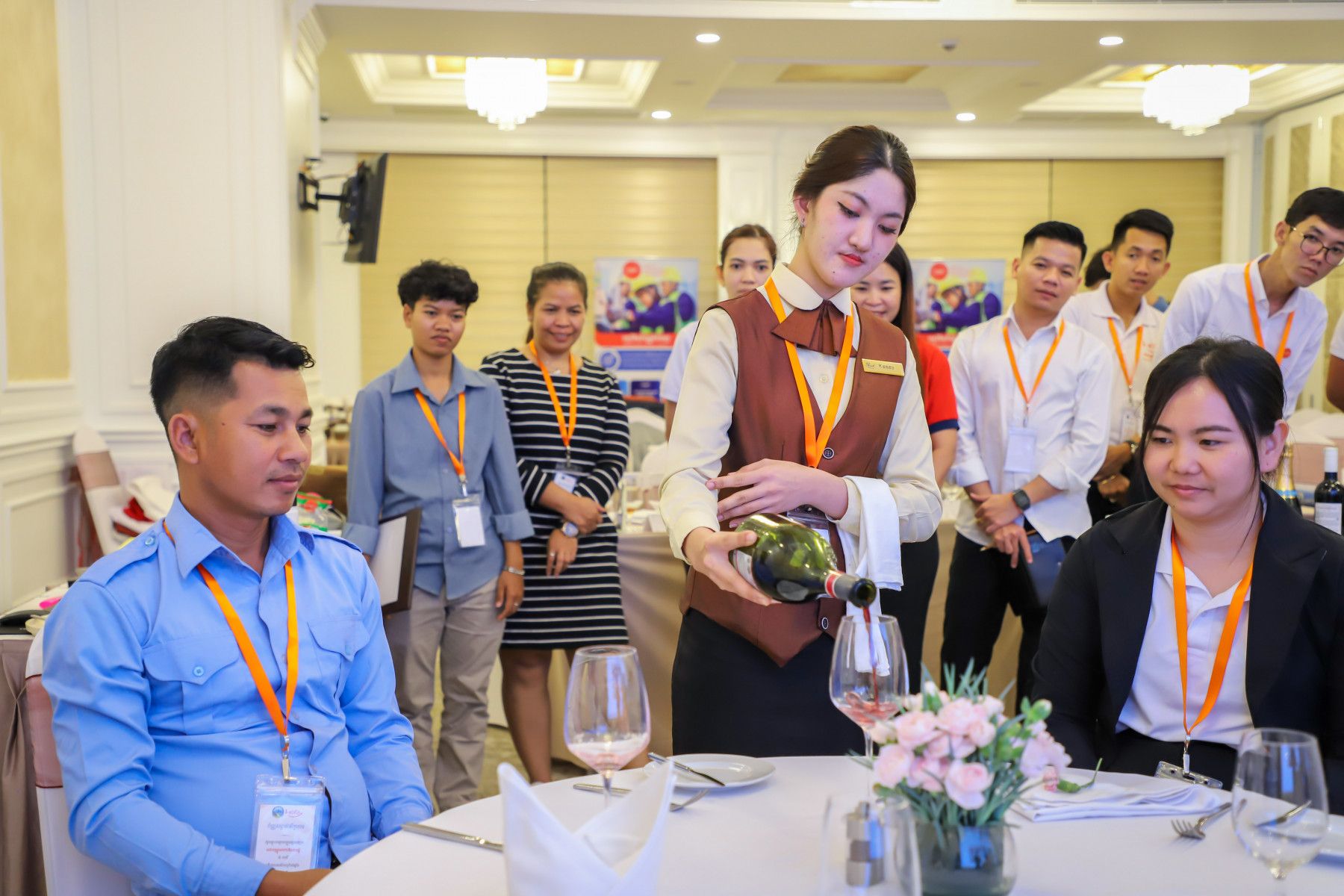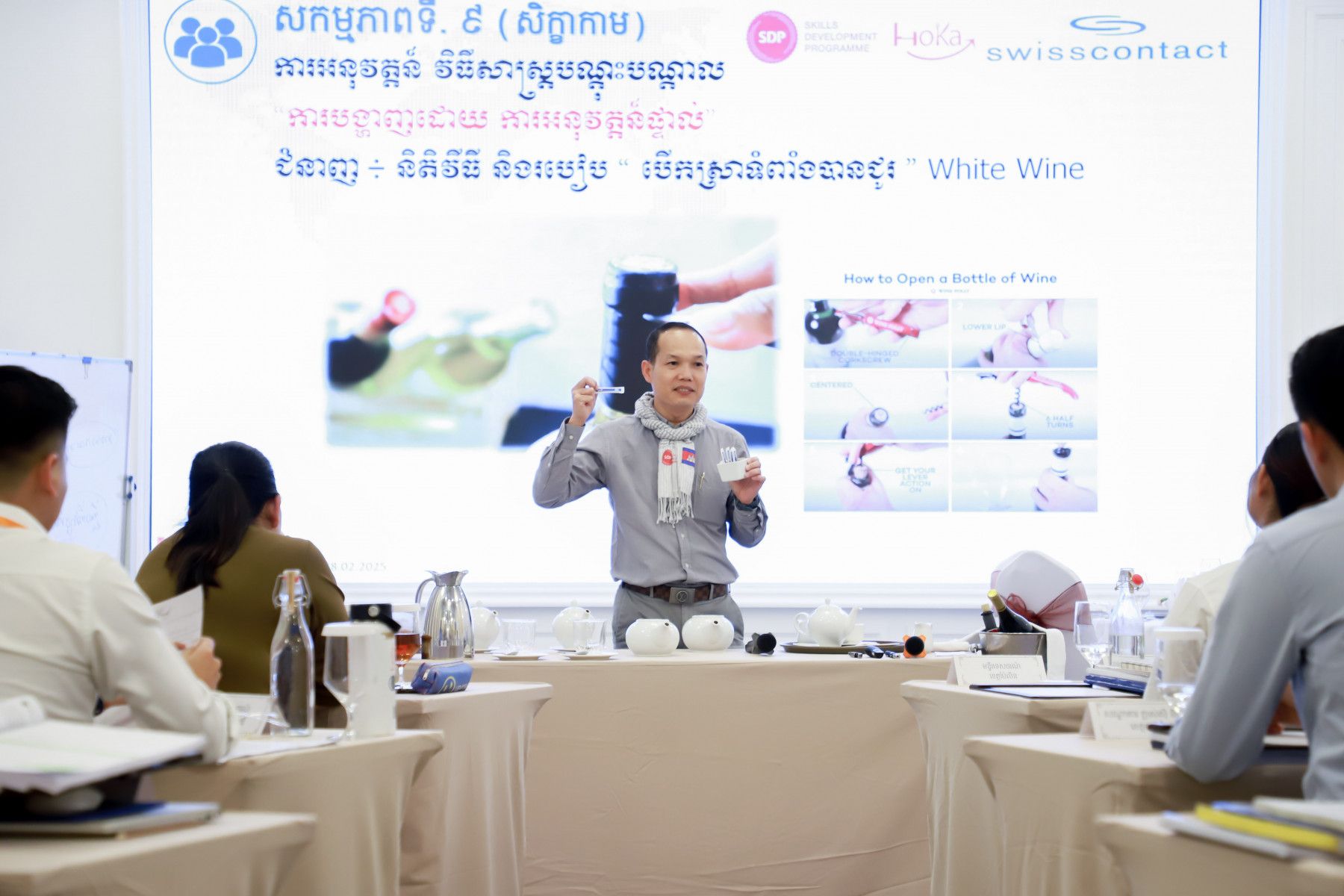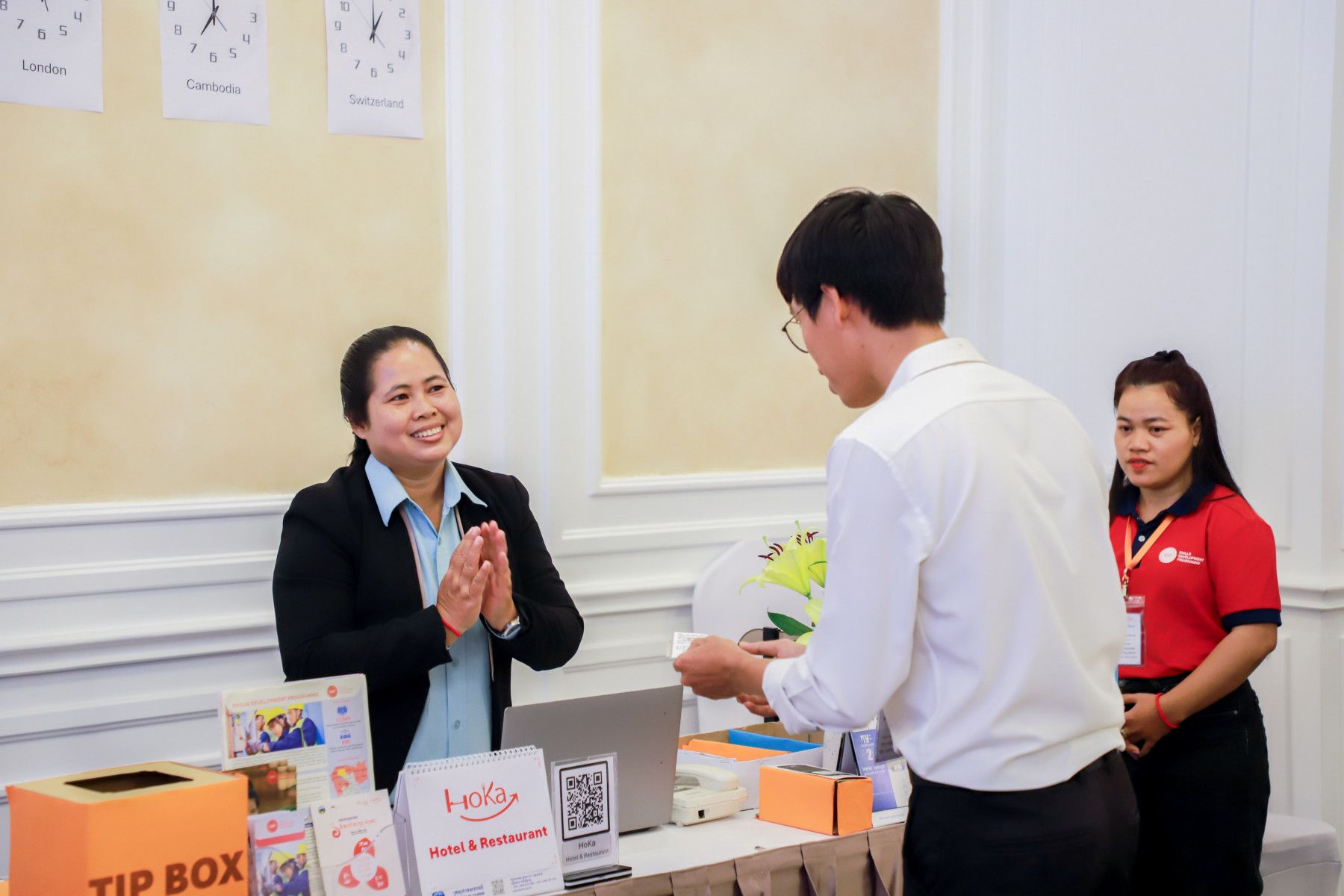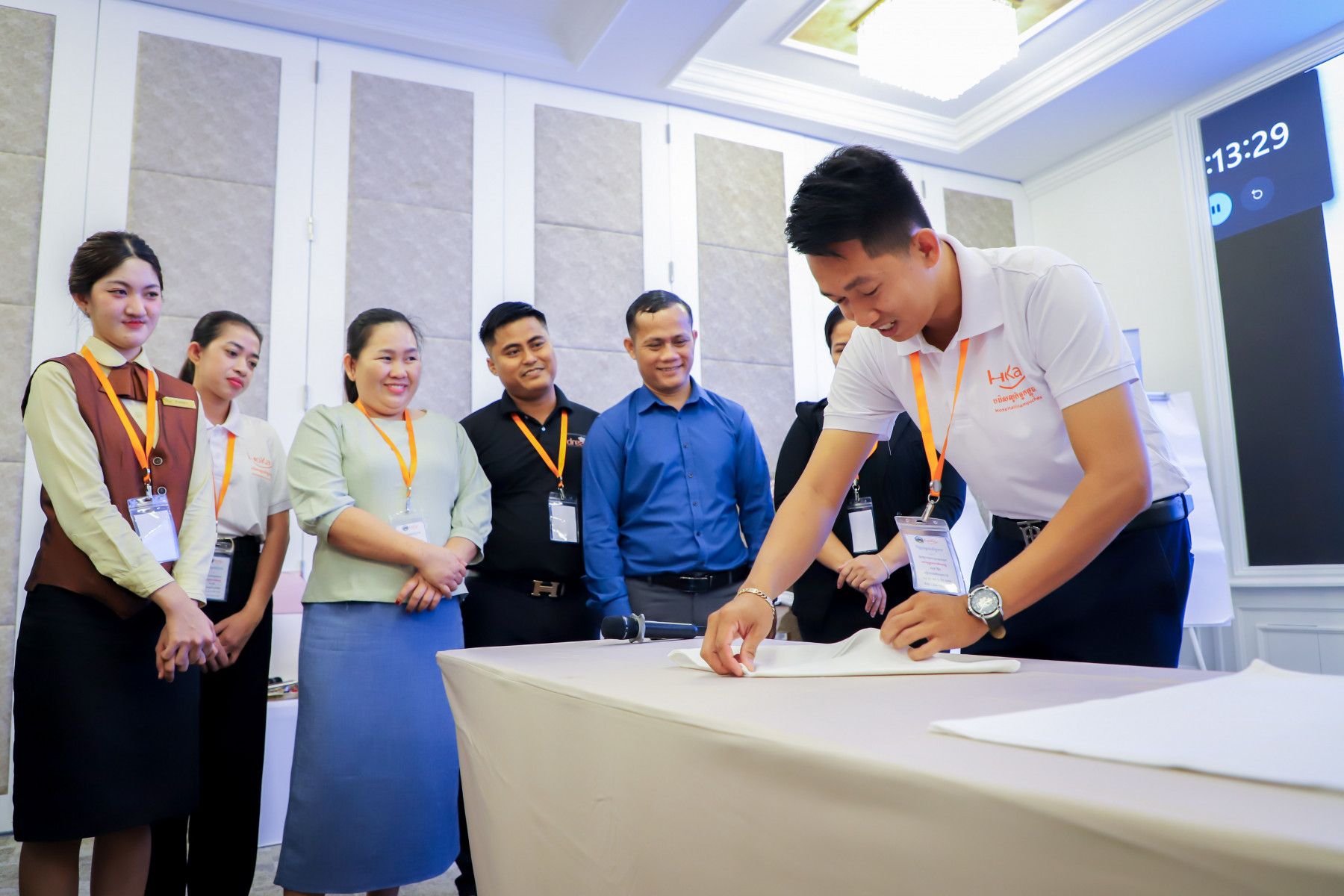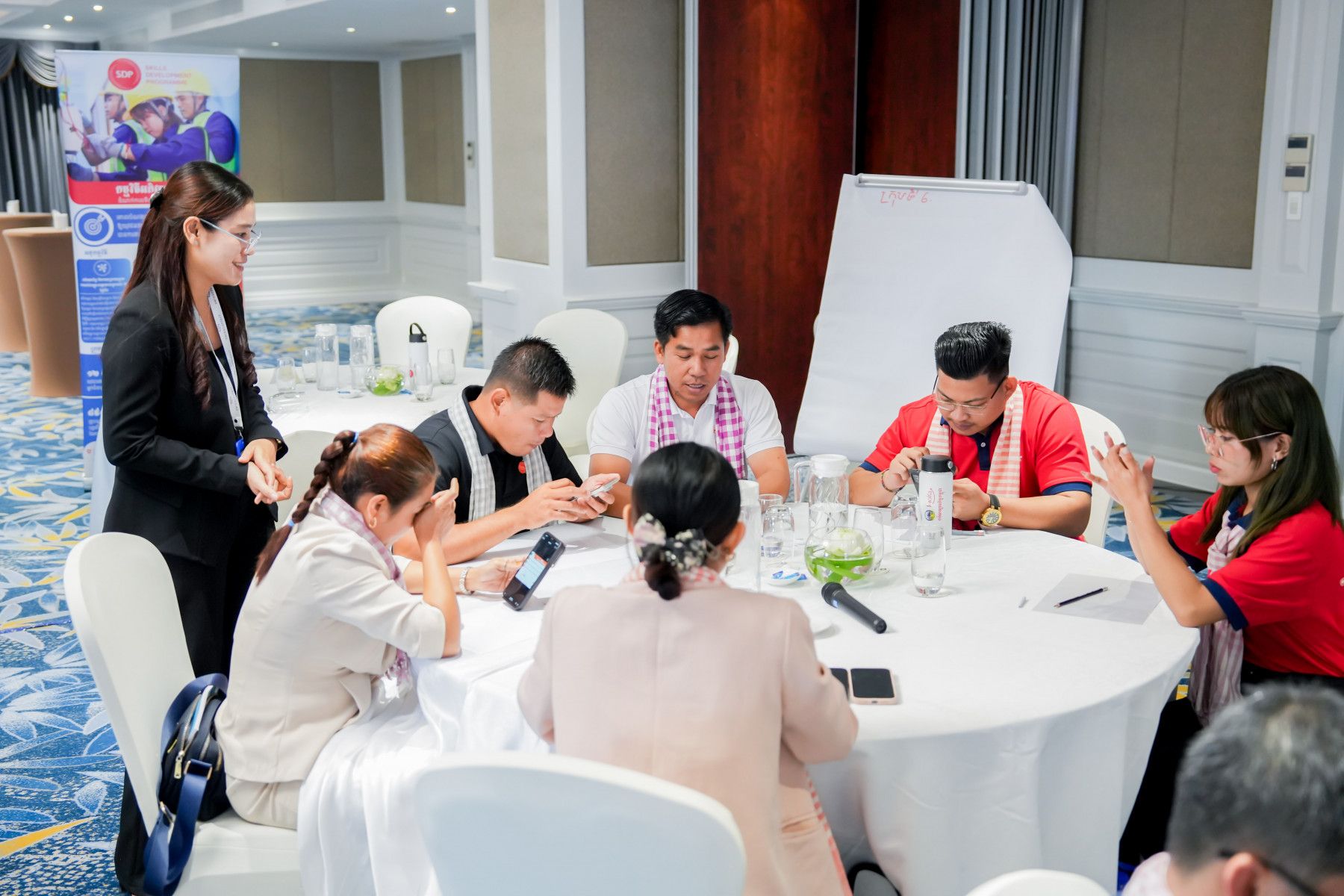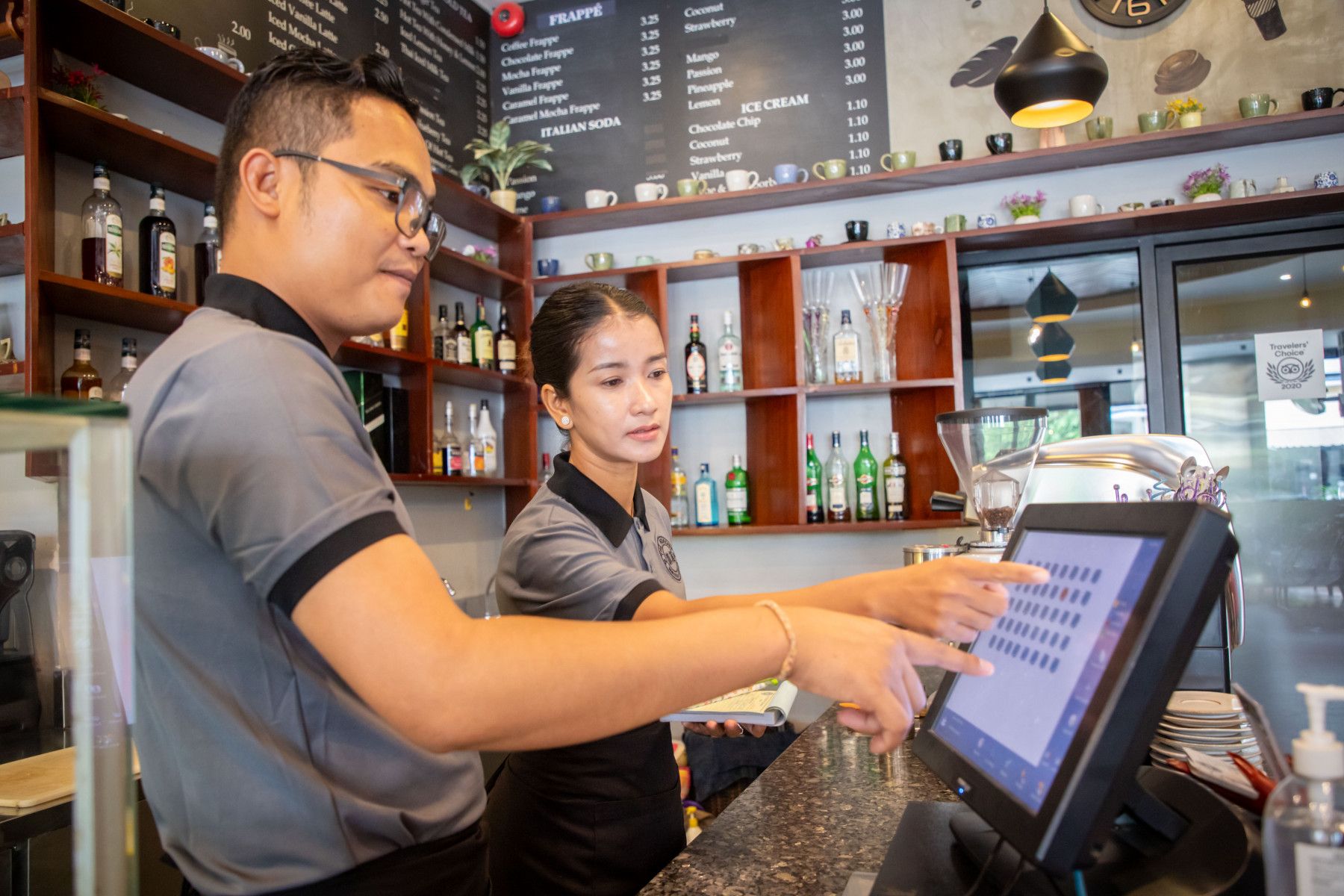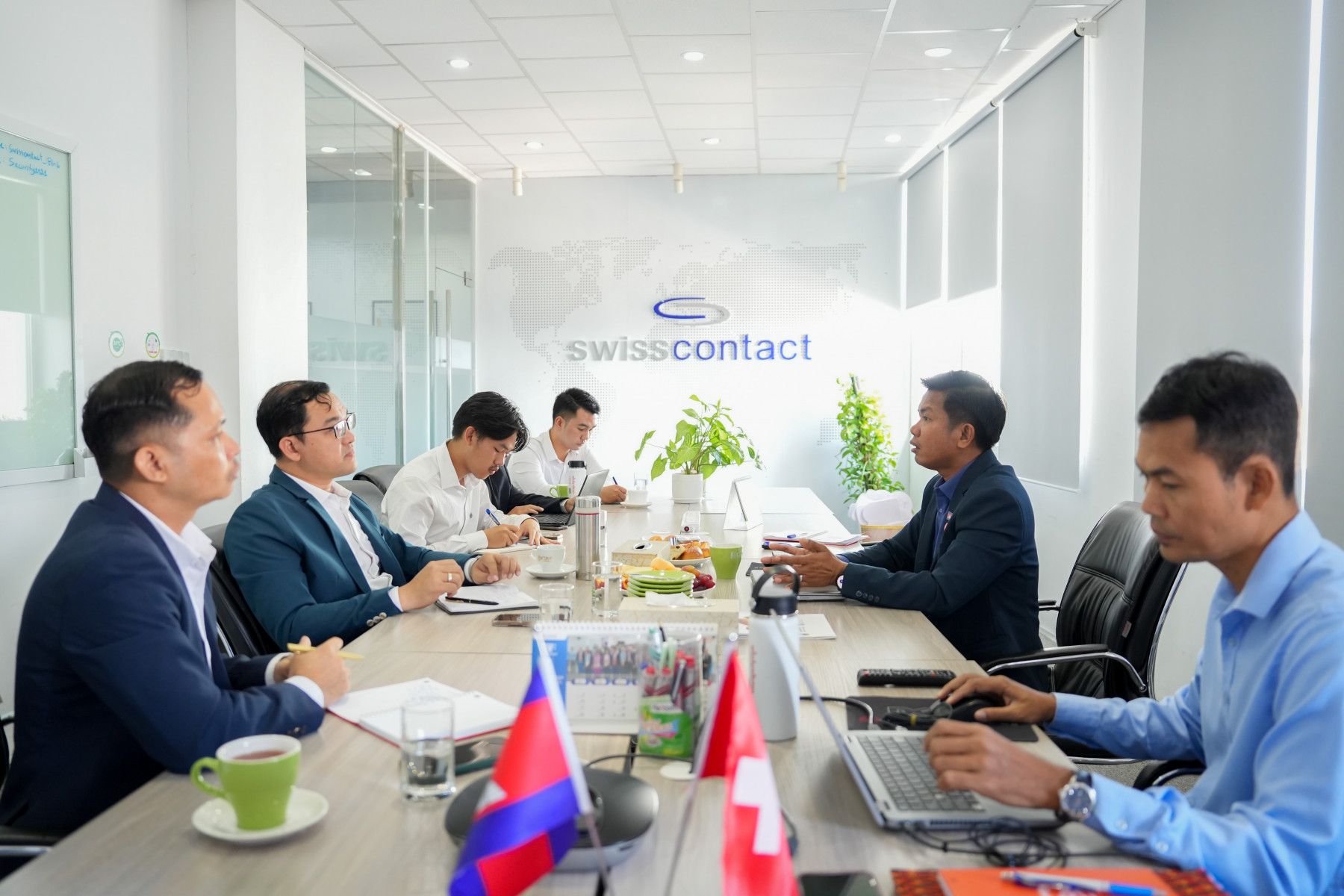
The close collaboration with private sector partners in the hospitality sector is a key strength of the HoKa training programme. The private sector is not just consulted but actively involved in designing, delivering, assessing, and recognising the training. This partnership helps low-skilled tourism professionals acquire knowledge, skills, and attitudes, and ensures that HoKa learners are trusted by employers.
Engaging in Training of Trainers and Training of Assessors
The private sector plays a crucial role in HoKa by actively participating in the Training of Trainers (ToT) and Training of Assessors (ToA) programmes. Tourism professionals, business owners, and managers share their time and expertise to enhance the quality of training and assessments. Through these programmes, participants become certified trainers and assessors, officially recognised by the Ministry of Tourism. They are equipped to deliver effective training and conduct fair, reliable skills assessments. This close collaboration ensures that HoKa’s training remains relevant, modern and of high standards, and learners gain the skills needed to succeed in the tourism industry.
Keeping HoKa Training Materials Relevant and Practical
Keeping HoKa training materials up to date is a collaborative effort, shaped by continuous input from the private sector. Through technical meetings and hands-on reviews, the private sector representatives offer valuable insights on key packages, including the Principles and Practice and Trainer Guide. This process ensures that the training content remains modern, relevant, and aligned with the evolving needs of the market.
Collaborative Governance and Accountability
HoKa’s success relies on close collaboration between the government, private sector, and development partners. The Steering Committee sets strategy and aligns it with national priorities, while reflection workshops, technical meetings, and field visits ensure continuous learning, practical engagement, and effective implementation. Businesses play an active role in these processes, helping keep HoKa’s training relevant, transparent, and responsive to workforce needs. This shared approach builds trust among partners and strengthens the programme’s impact on learners and the wider hospitality sector.
Unlocking Lifelong Learning through Tourism Professional Qualifications
Strong collaboration with the private sector is key to unlocking lifelong learning in tourism, ensuring that professional qualifications in this sector reflect current industry needs and align with national development priorities. By actively engaging businesses and industry experts in the design of these qualifications, training programmes remain practical, modern and relevant to the opportunities learners are seeking. As a result, employers recognise the quality of certified professionals, while learners gain confidence, clear career pathways, and the ability to keep building their skills throughout their journey in tourism.
Strengthening Sector-Wide Collaboration through Industry Networks
HoKa has established strong partnerships with leading hospitality and tourism associations, including the Cambodia Tourism Association, the Cambodia Hotel Association, the Cambodia Restaurant Association, the Cambodia Chefs Association, the Siem Reap HR Club, and the Siem Reap Tourism Club. These partnerships create opportunities to connect directly with employers for consultations, industry placements, job matching, and ongoing feedback. By actively engaging in these networks and offering technical guidance, HoKa has become a trusted and respected partner, widely recognised for the programme’s success and impact.
What Private Sector In-Kind Support Can Help
Private sector partners can contribute more than just advice. By offering in-kind support, they can ensure that HoKa training is relevant to the realities of the workplace. Hospitality businesses can contribute venues, such as meeting rooms and training spaces, for practical sessions, enabling learners to gain experience in realistic settings. They can also act as trainers, sharing their skills and expertise and providing resources to ensure that lessons align with current service standards. Most importantly, they extend opportunities for internships, on-the-job training, and recruitment, giving learners the chance to apply their skills directly and opening doors to sustainable careers in the sector.
Professional Industry Placement (PIP)
The HoKa Professional Industry Placement programme offers hospitality trainers the opportunity to gain experience in real hospitality businesses, such as hotels, restaurants and resorts. By working alongside experienced professionals, trainers sharpen their practical skills and bring back fresh ideas to the classroom, ensuring that HoKa learners receive training that matches what’s happening in the industry today. Private sector partners are key to this process. They host trainers, share their knowledge and expertise, and provide guidance and access to operational settings.
How Businesses Support Green HoKa and Sustainable Hospitality
Hospitality businesses are key partners in making Green HoKa a success. They provide consultations and practical guidance on sustainable practices, including energy efficiency, waste reduction and separation, water management, and 3Rs. At the same time, they raise awareness within their own operations, encouraging staff and customers to adopt environmentally responsible practices. Together, this dual effort builds a stronger, greener culture of hospitality where every action counts.
Voices from Business Owners
Private sector support is driving HoKa’s success. By enhancing training quality, aligning skills with industry needs, and supporting job placements and certification, businesses are helping create a competent and sustainable hospitality workforce. Looking ahead, expanding collaboration and strengthening partnerships will be essential for HoKa’s growth, ensuring that Cambodia remains competitive in the tourism sector while offering valuable career opportunities to disadvantaged young people.
The Hospitality Kampuchea (HoKa) training programme is an excellent industry-based skills development model designed to equip low-skilled workers, supervisors, managers, and business owners with the technical, soft, and management skills needed to improve service quality and business performance. Led by the HoKa Steering Committee of the Ministry of Tourism (MoT), in close collaboration with the Skills Development Programme (SDP), HoKa places the private sector at the heart of its success.