Soil health is often overlooked when discussing agricultural productivity, yet it plays a fundamental role in determining crop yields, farm resilience, and the long-term success of agricultural businesses. Healthy soils help farmers grow stronger crops, adapt to changing conditions, and sustain productivity over time. Despite increasing awareness of these benefits, the adoption of sustainable soil management practices remains limited in Cambodia.
To explore these challenges and identify practical solutions, the Innovation for Sustainable Agriculture (ISA) project of Swisscontact in Cambodia, in collaboration with EuroCham Cambodia’s Agribusiness Committee, organised the workshop “Healthy Soil: Investing in Cambodia’s Agriculture Future” on 4 June 2026 at TRIBE Phnom Penh. The event brought together around 60 representatives from government agencies, agribusinesses, agri-input suppliers, financial institutions, and development partners.
Soil degradation, declining fertility and climate-related pressures continue to affect agricultural production across Cambodia. While farmers are expected to produce more with fewer resources and increasingly unpredictable weather conditions, maintaining healthy soils remains a challenge.
During the workshop, participants learned that around 42% of Cambodia’s land is affected by medium to strong degradation, driven by factors such as deforestation, continuous monocropping and unsustainable farming practices. The annual economic cost of land degradation is estimated at USD 677 million, highlighting the growing impact of soil health challenges on the country’s agricultural sector.
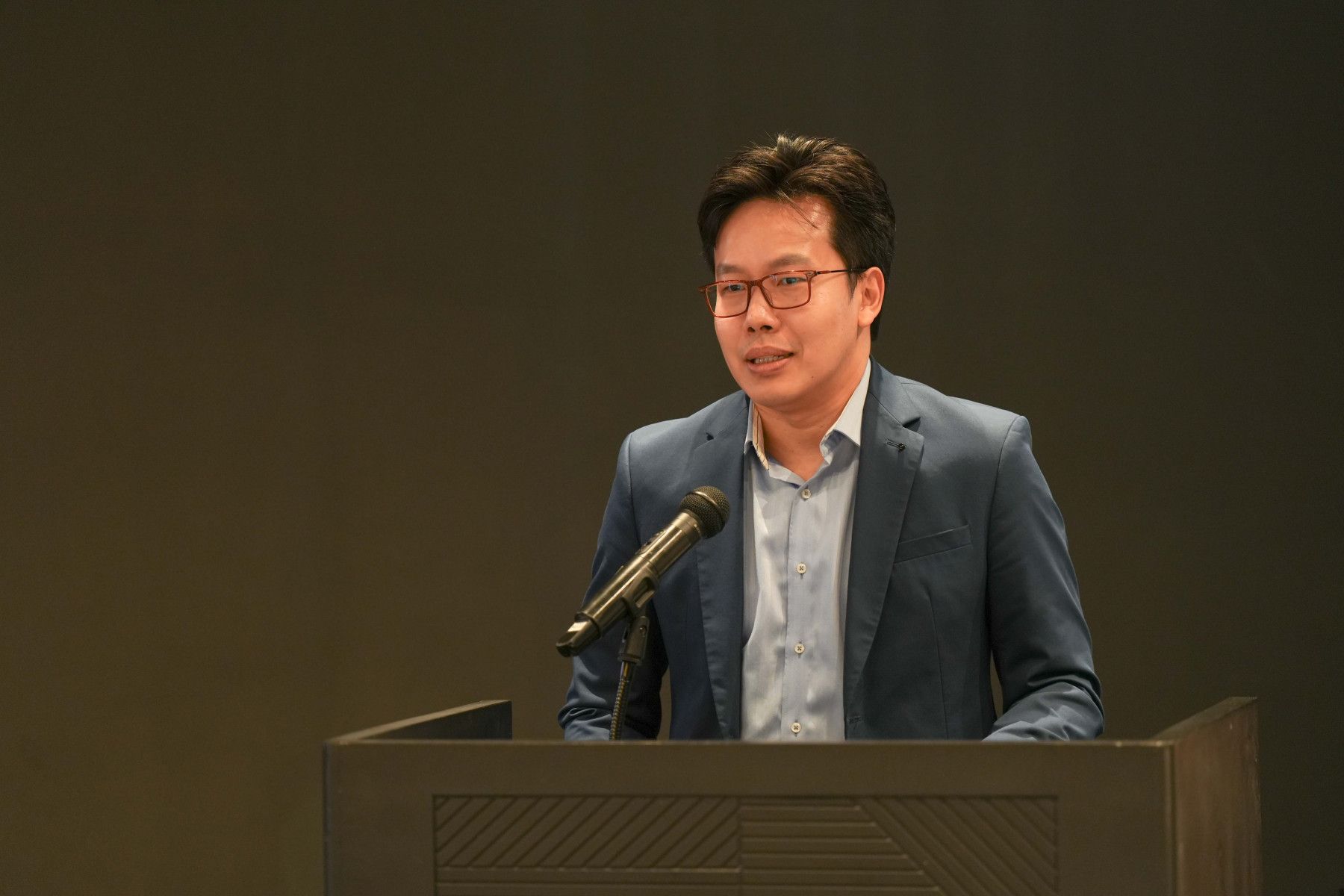
Opening the workshop, Dr. Daniel Nugraha, Country Director of Swisscontact in Cambodia, welcomed participants and highlighted the importance of dialogue and collaboration in addressing soil health challenges. The workshop aimed to identify barriers to maintaining soil fertility, share practical approaches for soil restoration and regenerative agriculture, and strengthen collaboration among actors across Cambodia’s agricultural sector.
During his presentation, “Why Soil Health Matters for Cambodia’s Agribusiness Competitiveness,” Dr. Nugraha shared examples from neighbouring countries where agroecological practices have improved soil health, farm productivity and resilience. Despite growing evidence of their benefits, he noted that adoption in Cambodia remains limited.
One of the key barriers is the transition period required before farmers begin to see returns on their investment. For many smallholder farmers, adopting regenerative agriculture can create short-term financial pressures, making it difficult to sustain the transition without additional support.
Field data presented during the workshop showed that farmers adopting regenerative practices, including no-till farming, cover cropping and biochar-based fertilisers, recorded yield increases of 26% for maize, 33% for cassava and 24% for rice compared to conventional methods. Findings also showed that cassava farmers practising conservation agriculture achieved significantly higher profitability per hectare than farmers using conventional production methods.
Dr. Nugraha also stressed the importance of aligning incentives across agricultural value chains and exploring mechanisms such as transition finance to help farmers manage risks during the adoption process.
The workshop highlighted that soil health is not only an environmental issue but also an economic one. Presenting on “Healthy Soil,” Ms. Ingrid Van Ginkel, Vice-Chairperson of EuroCham Cambodia’s Agribusiness Committee and Managing Director of Husk Venture, encouraged participants to view soil health through the lens of risk management and business sustainability.
She highlighted the often-overlooked role of agricultural input suppliers in shaping farming decisions. According to Ms. Van Ginkel, farmers frequently rely on input suppliers for advice on fertiliser use, pest management and other production practices, making them important partners in promoting sustainable soil management and regenerative agriculture.
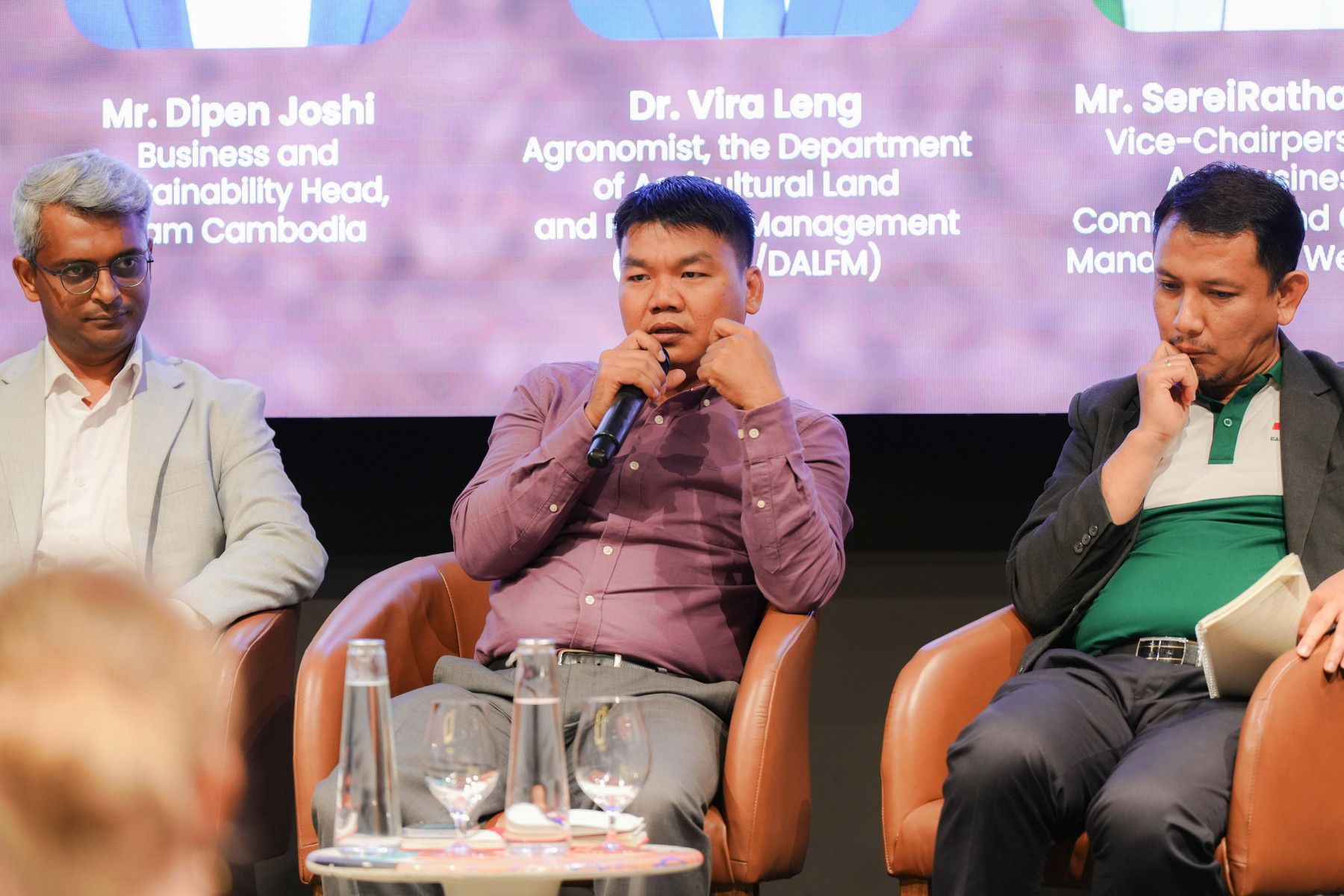
A panel discussion titled “Healthy Soil: Is it Worth the Investment?” facilitated by Ms. Rath Setha, deputy team leader of Swisscontact in Cambodia, brought together representatives from government and the private sector, including Dr. Leng Vira, Deputy Chief of Office the Department of Agricultural Land Resources and Fertiliser Management at the General Directorate of Agriculture, Ministry of Agriculture, Forestry and Fisheries; Mr. Dipen Joshi, Business and Sustainability Head of Olam Cambodia; and Mr. Cham Sereiratha, Country Manager of East-West Seed Cambodia.
Drawing on their respective experiences, the panelists discussed the opportunities and challenges associated with investing in soil health, as well as the financial and technical partnerships needed to support wider adoption of sustainable agricultural practices.
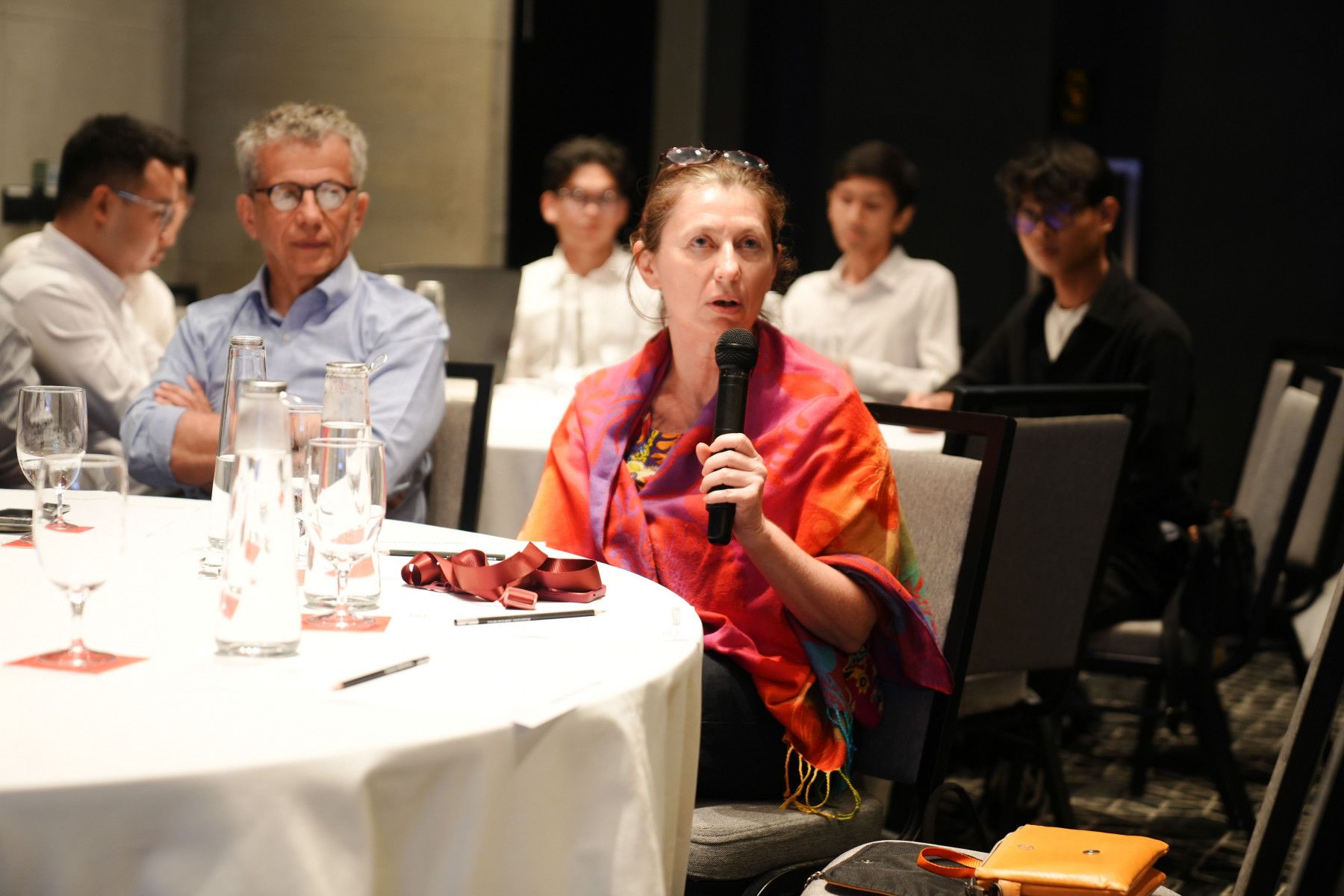
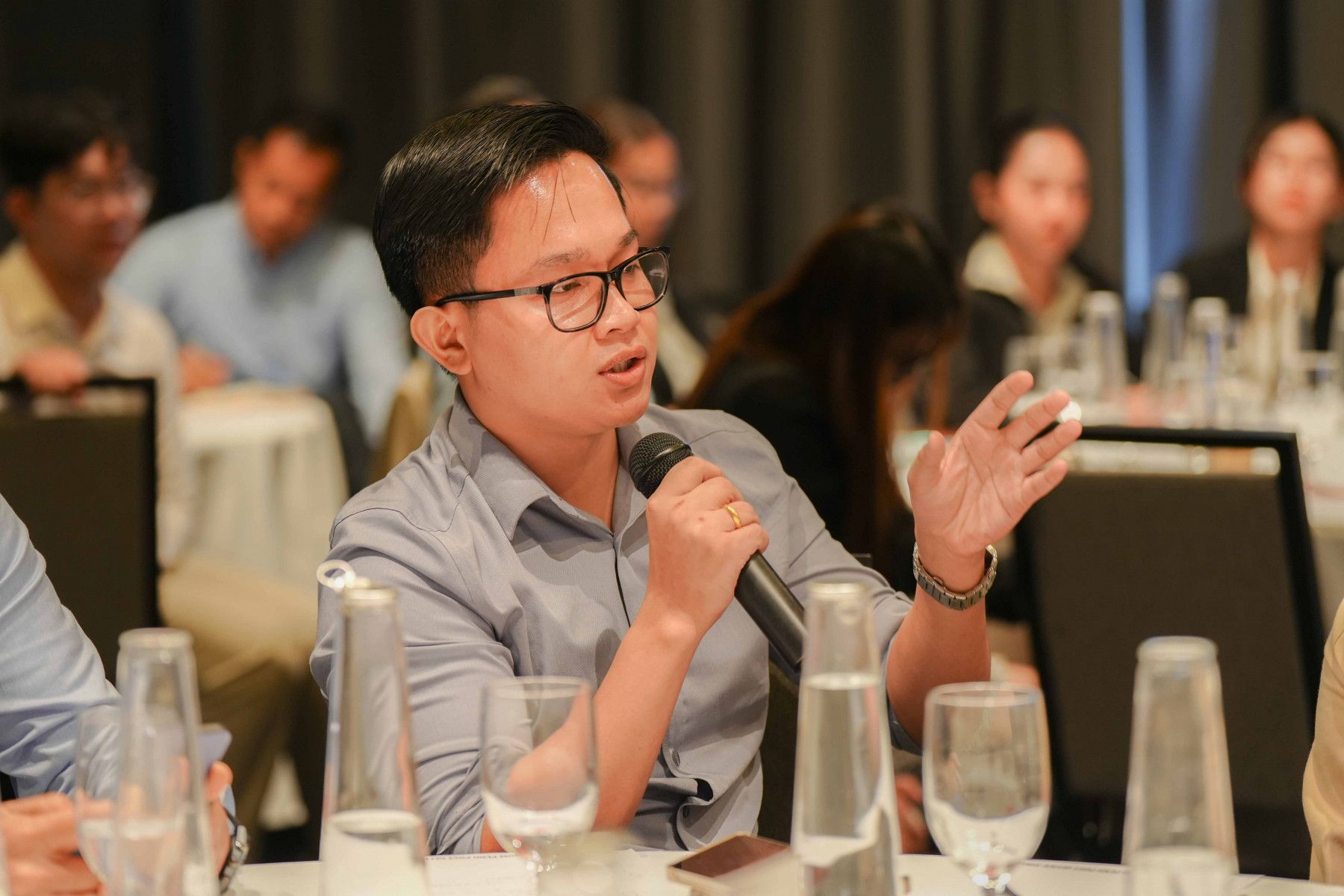
Participants actively engaged in the discussion, raising questions about fertiliser management, technical advisory services, financing mechanisms, and market incentives.
A recurring message throughout the workshop was that improving soil health requires coordinated action across the agricultural sector. Participants highlighted the need for stronger collaboration among government agencies, agribusinesses, financial institutions, research organisations, agricultural input suppliers and development partners to support the adoption of sustainable soil management practices. Discussions also underscored the important role of agricultural input suppliers in influencing farming decisions and promoting good agricultural practices. By strengthening partnerships, sharing risks and improving access to technical knowledge and finance, stakeholders can create stronger incentives for farmers to invest in soil health.
The workshop reinforced that soil health is both an environmental and economic asset. Scaling sustainable practices will require practical solutions that improve productivity, strengthen resilience, and generate long-term value for farmers and agribusinesses. By bringing together stakeholders from across the agricultural sector, the event strengthened dialogue on practical actions that can contribute to a more resilient, productive, and competitive agricultural future for Cambodia.
The workshop was organised under the Innovation for Sustainable Agriculture (ISA) project of Swisscontact in Cambodia. Through partnerships with government agencies, private sector actors and development organisations, the project promotes innovative and sustainable agricultural practices that improve productivity, strengthen climate resilience, and create long-term opportunities for farmers and agribusinesses. The discussion on healthy soil reflects the project’s broader commitment to supporting a more competitive, inclusive, and sustainable agricultural sector in Cambodia.