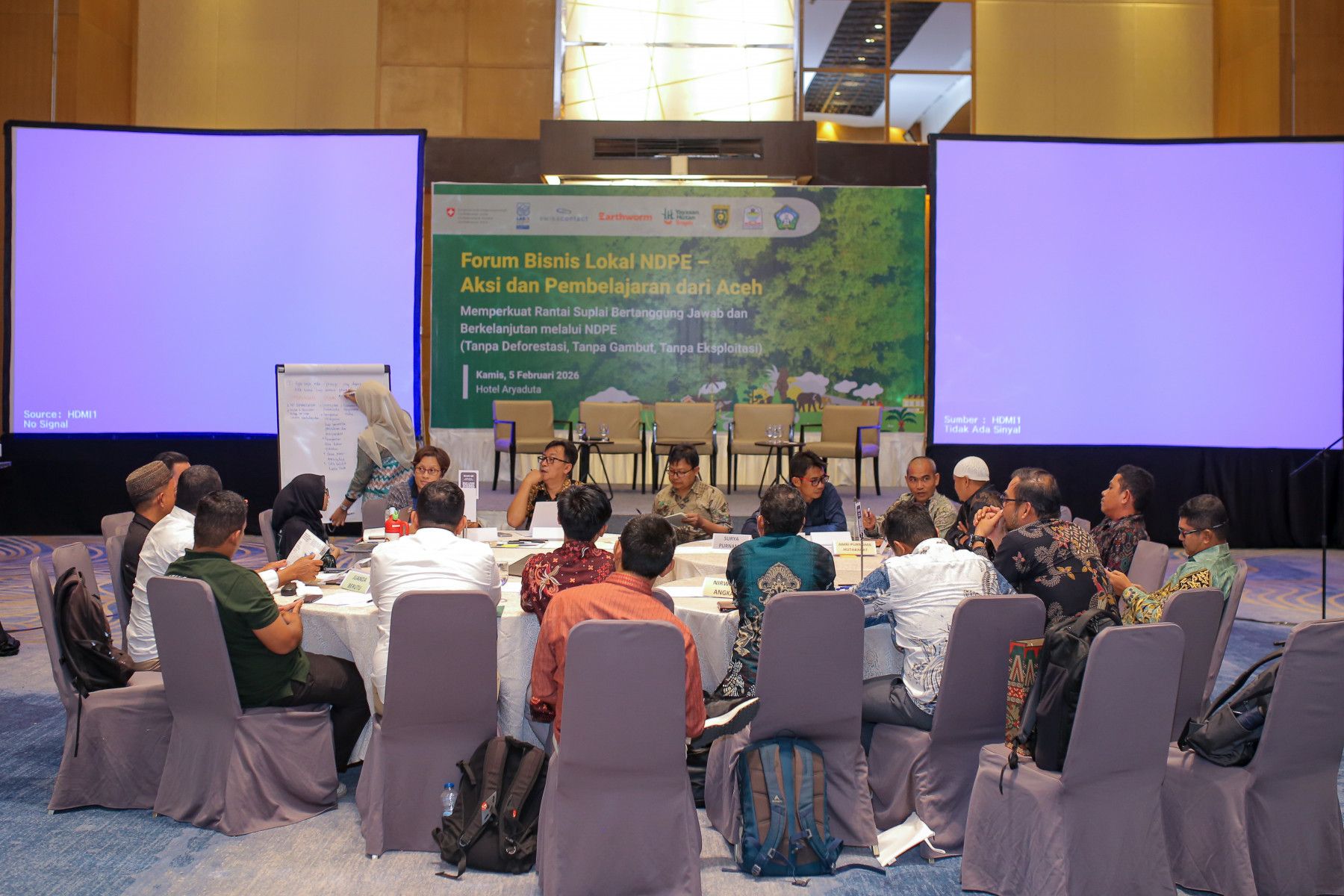
Across Indonesia, over 400 entities have landed on global “No-Buy Lists”, disabling millions of tons of Crude Palm Oil (CPO) from entering the premium global market. In Aceh alone, 33 companies face suspension from international markets, with 13 of them located in Aceh Singkil, Subulussalam, and Aceh Selatan. Smallholder farmers are hit the hardest. Though they produce more than half of Aceh’s palm oil, many risk being excluded entirely without the ability to prove their crops are traceable and deforestation-free. Meanwhile, companies face declining supply chains and reputational risks. Despite the difficulty of tightening supply, this challenge reveals an opportunity to fulfil the rising global demand for responsibly sourced palm oil as buyers are actively seeking new sources that meet strict sustainability standards. If Aceh’s farmers and producers can prove their commitment to sustainable, traceable palm oil, they can re-unlock overseas market opportunities.
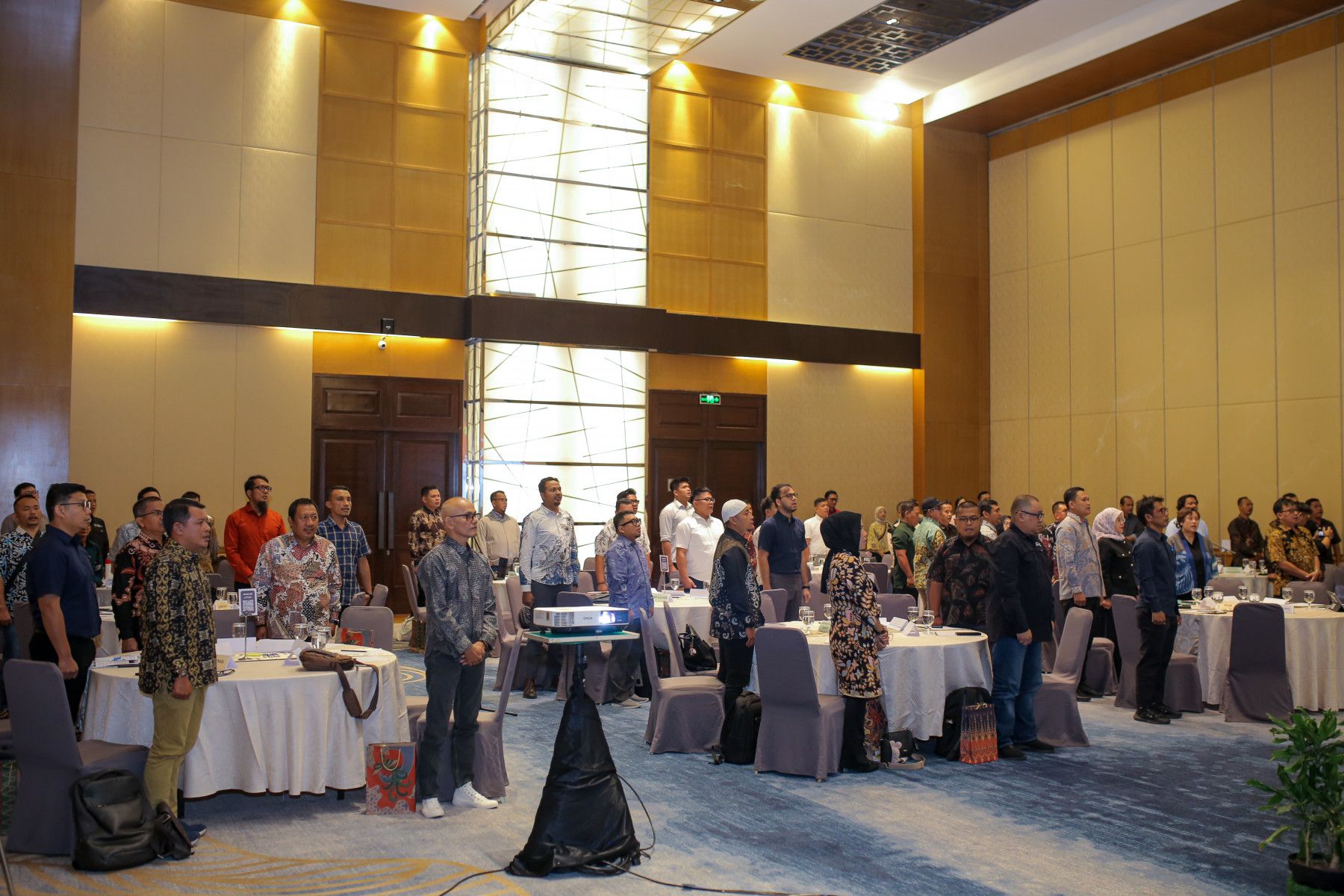
Swisscontact in Indonesia, under the Sustainable Landscape Program Indonesia (SLPI) - Leuser Alas-Singkil River-basin (LASR), and in partnership with Earthworm Foundation, facilitates a local business forum at the district level that stimulates an open dialogue with stakeholders. Embracing companies, farmers, the government, and market actors to align their efforts, it emphasizes a clear framework and commitment to No Deforestation, No Peat, No Exploitation (NDPE). Highlighted clearly by the Head of the Aceh Provincial Agriculture and Plantation Office, Ir. Cut Huzaimah, MP, “This forum is a strategic step to connect global NDPE commitments with real action on the ground in Aceh.”
Rather than simply meeting baselines, NDPE is a gateway to global opportunity, in which palm oil is produced without harming forests, exploiting workers, or expanding into sensitive land. It also aligns with international standards that most define market access, such as the Roundtable on Sustainable Palm Oil (RSPO) and the EU Deforestation Regulation (EUDR). However, meeting these standards is a team effort that demands systemic change across the entire supply chain. Companies must trace fresh fruit bunches back to their origin, down to the village or plot, suppliers must be verified, farmers must adopt better practices, and all actors must work together to warrant transparency and accountability. Fulfilling these calls for a strong collaboration, and it is where a landscape-based, multi-stakeholder approach becomes essential.
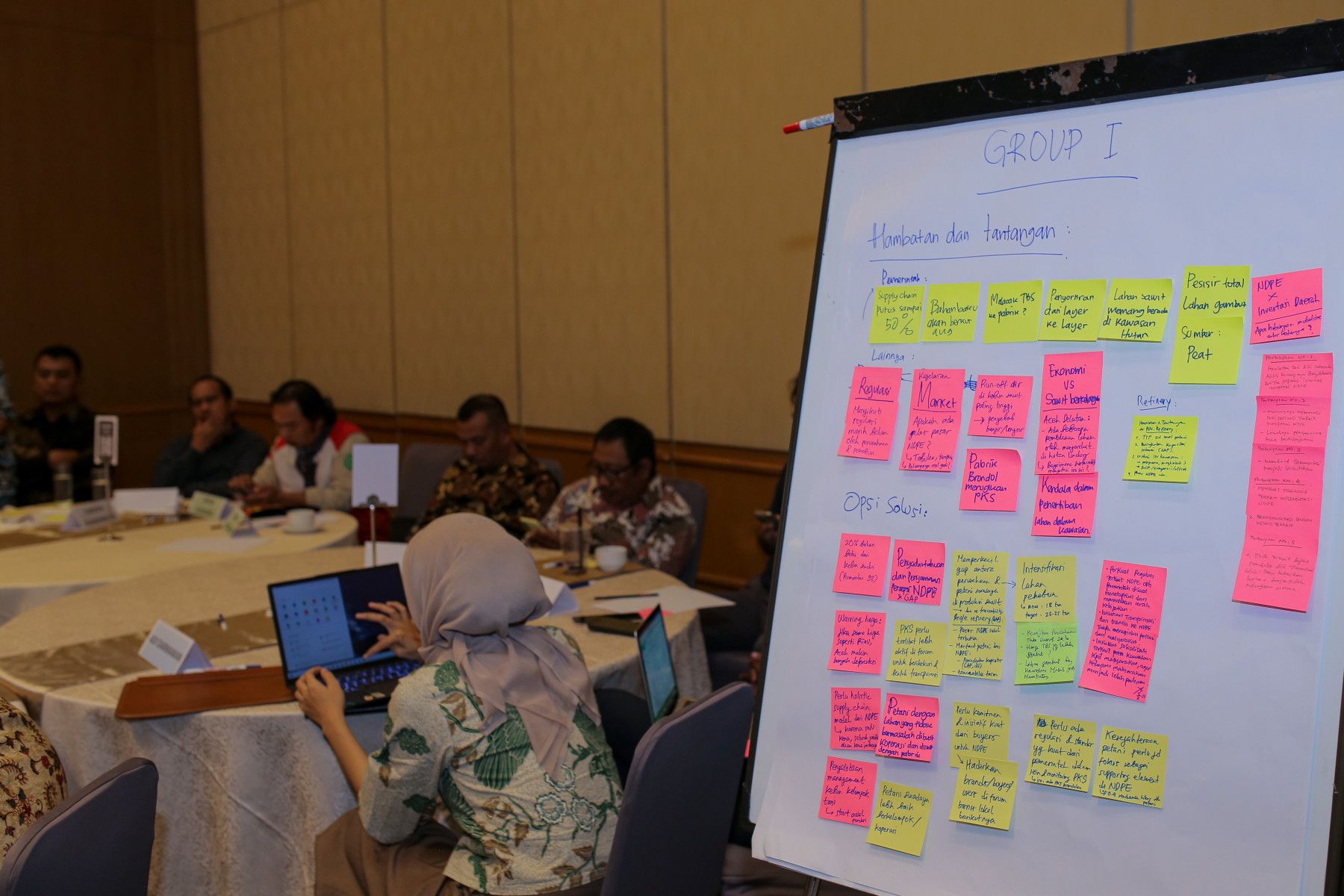
The discussion is making good headway as some companies share their effort in supply chain mapping for the first time, identifying exactly where raw materials originate. Others are building internal NDPE teams, training staff, or working directly with suppliers and farmers. In one case, a palm oil mill moved from zero to targeting full traceability within six months. In another, a company that once faced friction with local communities is moving toward collaboration by assisting a 600ha land plot progress toward RSPO. These efforts are expected to build trust and open further opportunities with global buyers.
The forum further explores how engaging smallholders will determine the success of this move, though many farmers face barriers on the ground from limited knowledge of NDPE standards and unclear land boundaries. Without support, stricter regulations risk turning global sustainability requirements into barriers, pushing them out of the very supply chains they helped build. Hand in hand, this challenge may turn into a story of inclusion:
(1) Farmers are encouraged to organize themselves into groups and cooperatives that give them a clearer pathway forward. This is making it easier to provide training for improved productivity and traceability.
(2) Companies are engaging directly with these groups, creating clearer and more transparent relationships.
Through this workshop, Swisscontact Indonesia and Earthworm Foundation are helping transform Aceh’s palm oil sector by bringing stakeholders to the plantations to redefine collaboration in addressing the challenges of NDPE. When independent smallholders, palm oil processors/mills, plantation companies, the government, and local development partners unite, they can collectively assess the challenges and work toward practical solutions. These palm oil sector players are reaching a turning point, creating space to improve and reclaim their place in the global market. After all, a sustainable palm oil sector is not only measured by ticking the boxes of compliance, but by whether it creates opportunities for everyone.
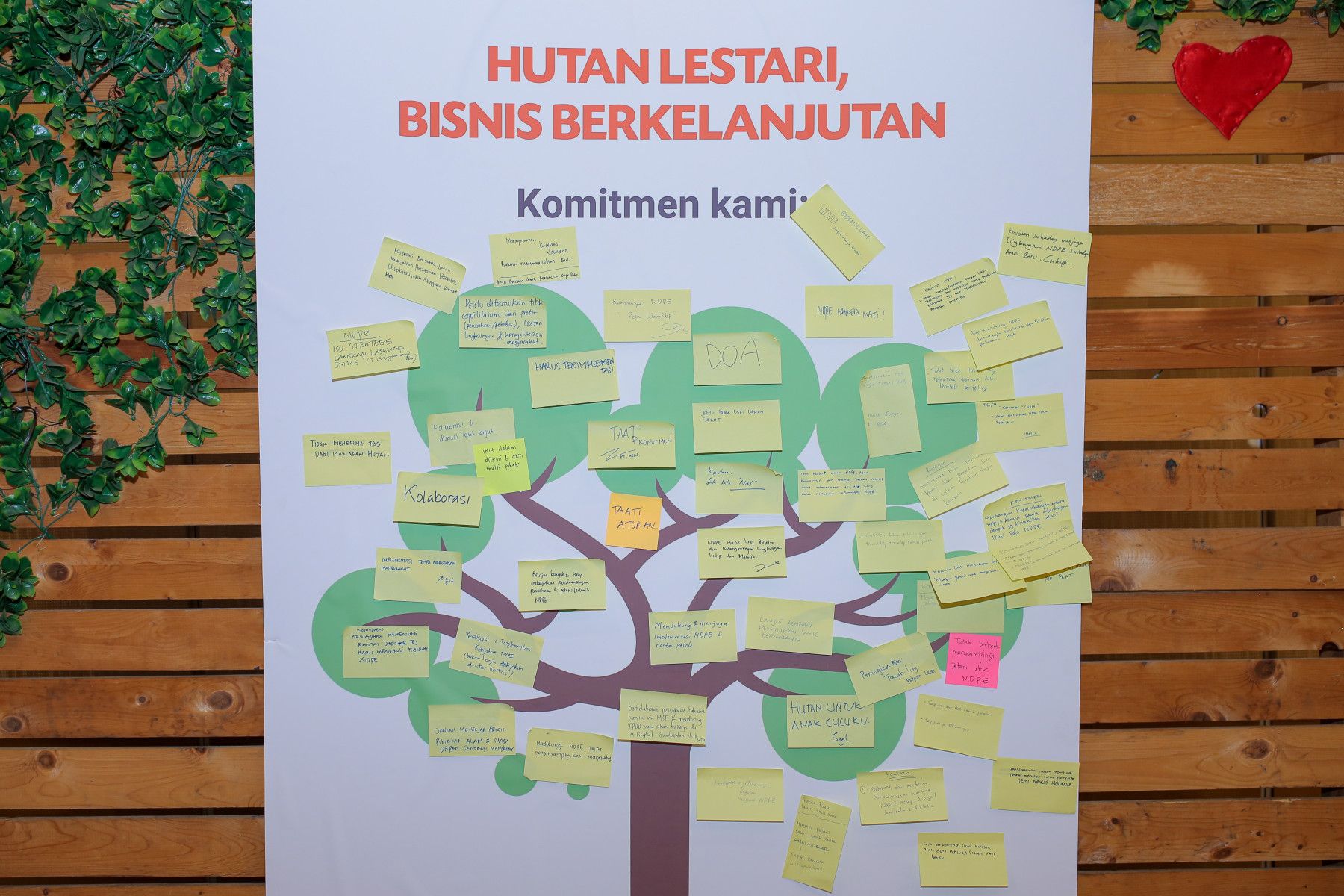
As common ground emerged, participants expressed strong interest in follow-up actions from the workshop as part of the continued NDPE commitment series across Subulussalam, Aceh Singkil, and Aceh Selatan. LASR will ensure that these ongoing discussions lead to collaborative efforts to reinvigorate these supply chains in the global market.