Adapting to a Changing Labour Market
Cambodia’s labour market is changing rapidly. Digital tools, workplace-based learning, automation and artificial intelligence are reshaping the skills young people need to succeed. For Technical and Vocational Education and Training (TVET), this means training must be practical, active and closely linked to workplace performance. Trainers need to do more than simply explain content; they need to help learners practise, solve problems, receive feedback and build the skills required in real workplaces.
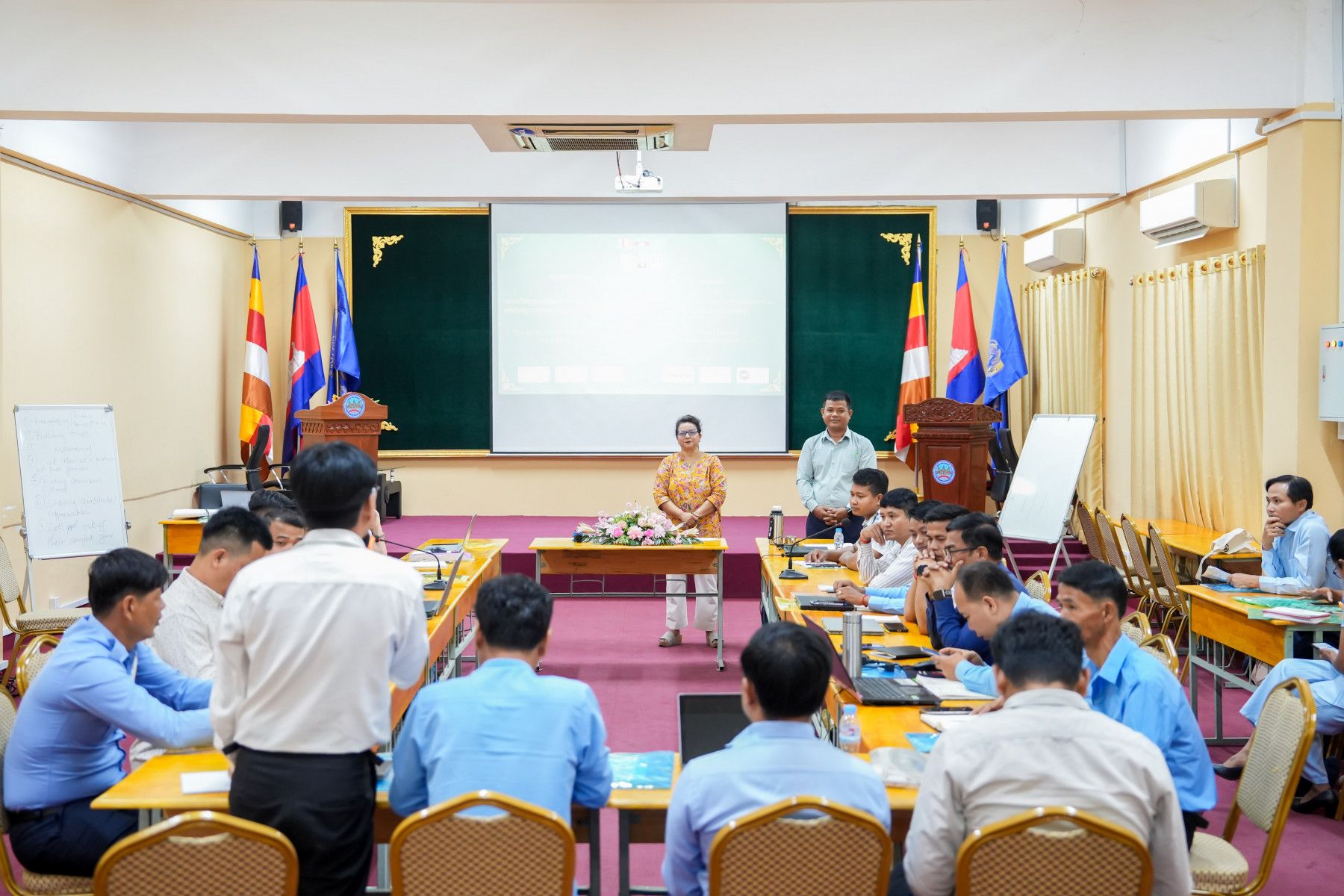
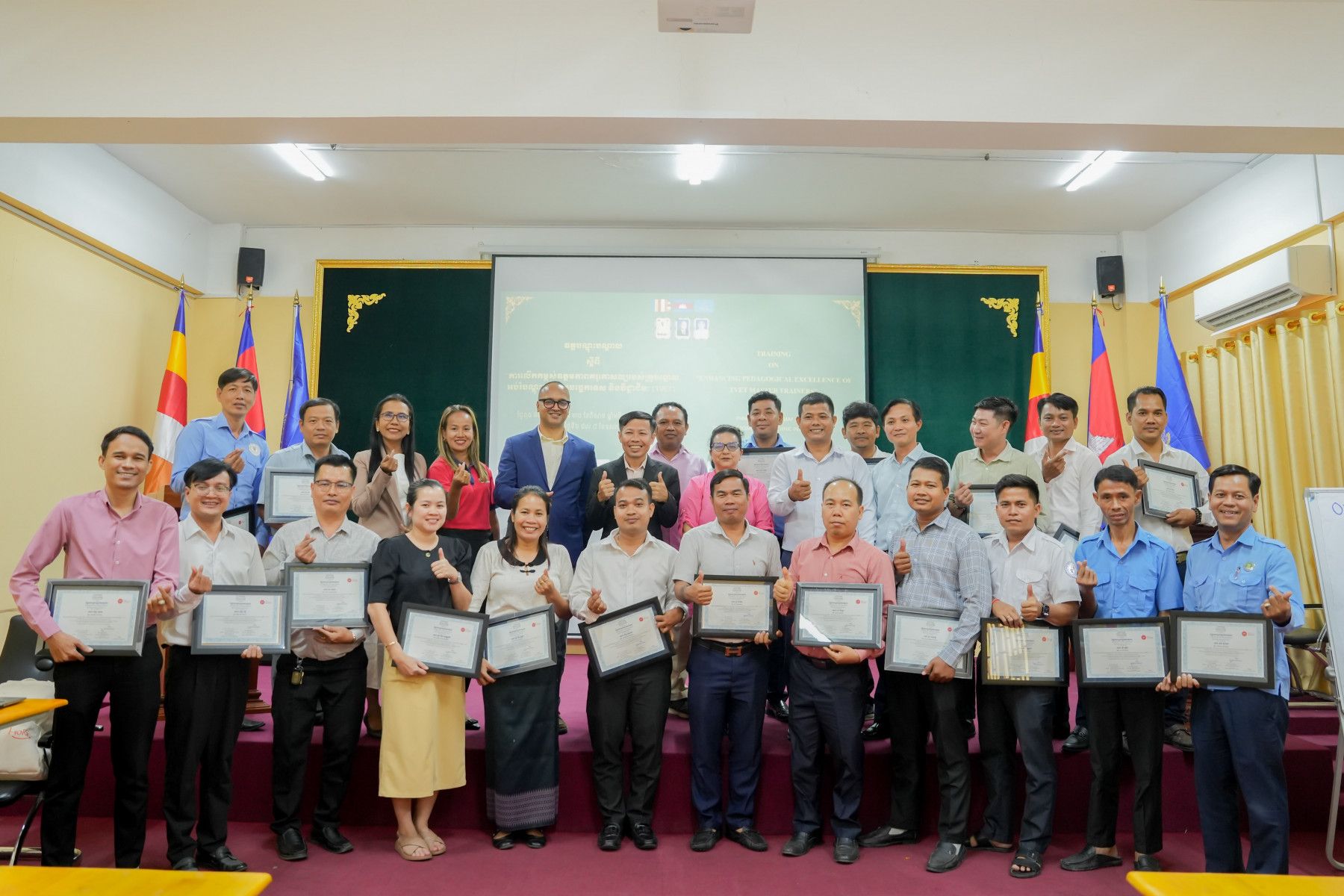
To respond to these changes, the Skills Development Programme (SDP), in collaboration with the Department of Standards and Curriculum of the Ministry of Labour and Vocational Training, organised a three-day training course titled 'Enhancing the Pedagogical Excellence of TVET Master Trainers'. The training brought together 24 TVET master trainers from partner institutions to strengthen their ability to design and deliver learner-centred, performance-oriented training.
As part of SDP’s ongoing support to enhance the quality of TVET delivery, the course focused on how master trainers can guide other trainers to enhance teaching practices and reach more classrooms, institutions and learners. By building the capacity of master trainers, SDP and its partners can create a multiplier effect: one trained master trainer can coach many trainers, who can then improve learning outcomes for many more young people.
The training introduced practical tools and methods, including active learning, skills demonstration, micro-teaching, constructive feedback, reflective practice, visual learning materials, and the use of digital tools in training delivery. These approaches helped participants to become more confident and improve their ability to prepare sessions that are easier for learners to understand, practise and apply.
Making Skills Easier to Learn
This three-day course combined theory with practical exercises. Participants explored modern trends in TVET, including workplace learning, digitalisation and AI. They also practised designing competency-based training that responds to different learning styles and learner needs, including those of fast and slow learners.
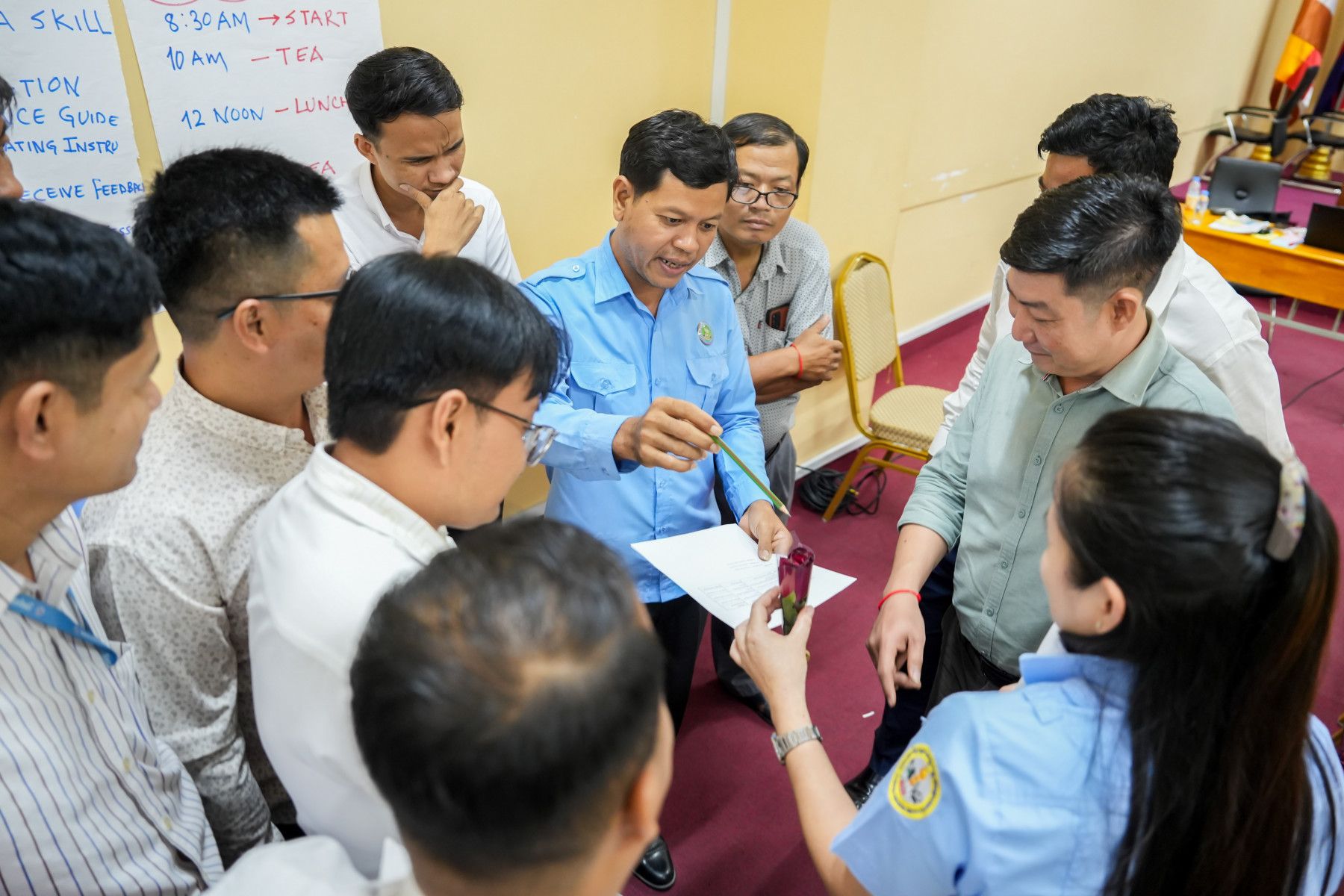
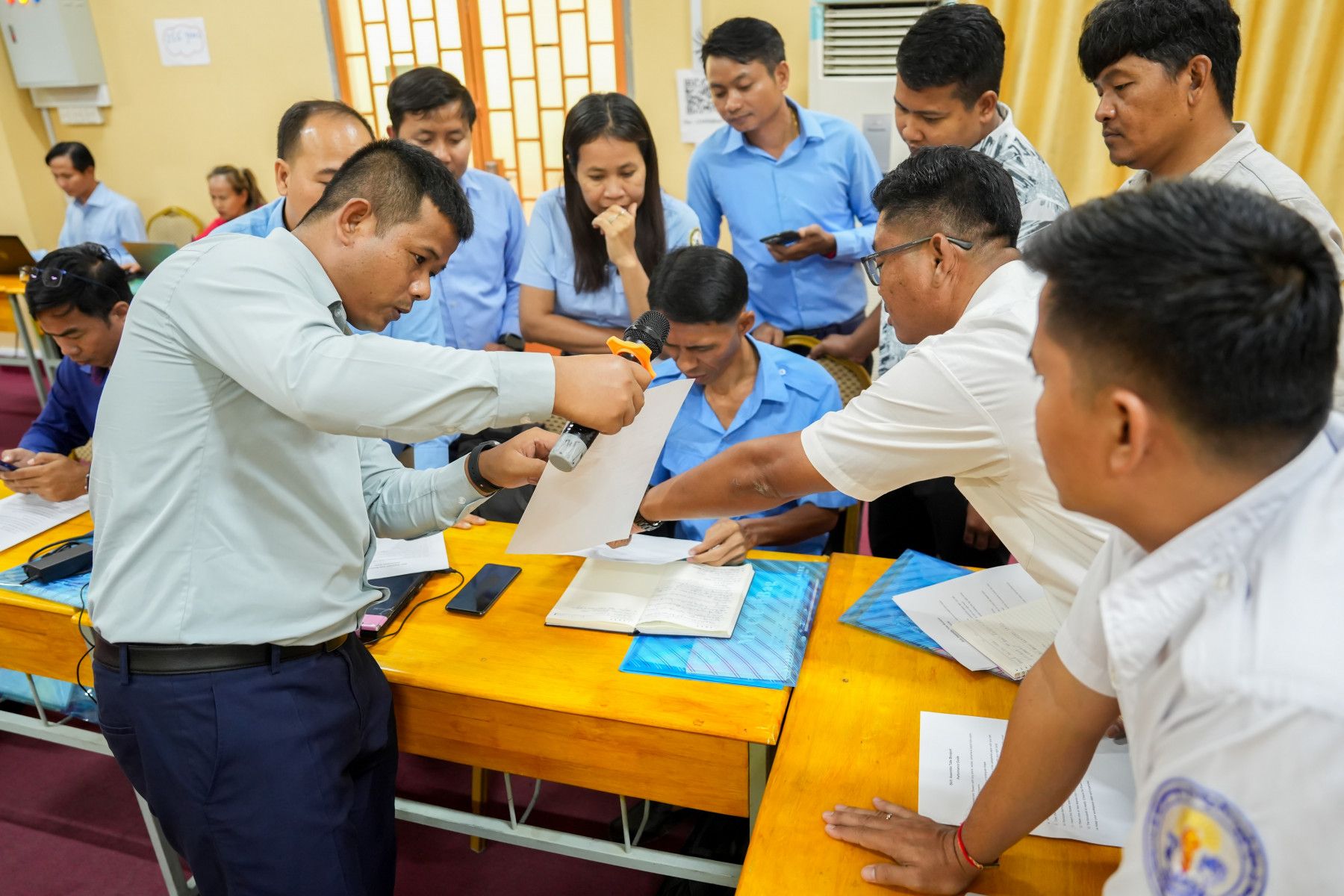
Through activities such as session planning, performance guides, visual tools, oral questioning, peer exchange and micro-teaching, participants tested new approaches and received feedback to help them improve their facilitation skills. These activities encouraged master trainers to reflect on both what they teach and how learners acquire, practise and demonstrate skills.
A key part of the programme was learning how to simplify complex technical content. In TVET, learners often need to master both theoretical knowledge and practical skills. Effective trainers must therefore be able to break down difficult topics, clearly demonstrate each step and create opportunities for learners to practise repeatedly. The training helped participants use teaching methods, visual tools and digital media to make learning more engaging and easier to apply in practical settings.
The programme also placed a strong emphasis on providing feedback. Providing good feedback helps learners to understand what they are doing well, where they need to improve, and how they can perform better next time. During micro-teaching sessions, participants practised giving and receiving constructive feedback, and their performance was reviewed and discussed with peers and facilitators.
Another important outcome was the adoption of common training terminology. When trainers use the same terminology around training design, assessment, feedback and learner performance, they can communicate and collaborate more effectively. This promotes stronger peer learning and ensures more consistent training quality across institutions.
Long-Term Impact on the TVET Sector
The impact of this training extends beyond the 25 participants. As these master trainers continue to train, coach and support other trainers, the methods they learned can be shared more widely across TVET institutions. Better trainers can facilitate better learning. Better learning can help disadvantaged young people develop stronger practical skills. Stronger skills can contribute to a workforce that is better prepared for Cambodia’s current and future labour market needs.
This reflects SDP’s core belief that sustainable development happens when local actors are empowered to drive change. By supporting master trainers, SDP and its partners are building local capacity within the TVET system. The outcome is not only the successful completion of a training course, but also the creation of a foundation for improved teaching methods, stronger institutions, and greater opportunities for disadvantaged young people across Cambodia.