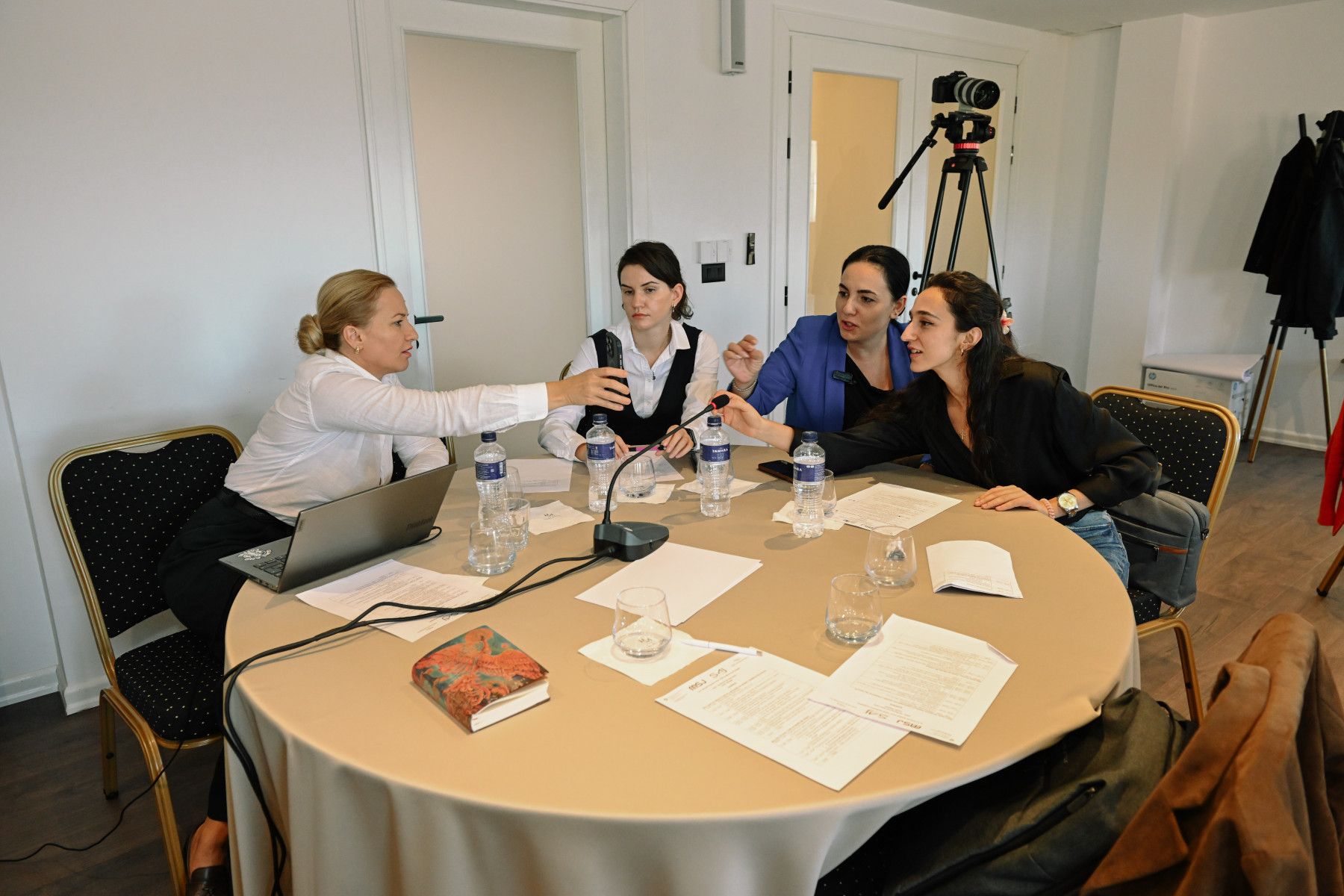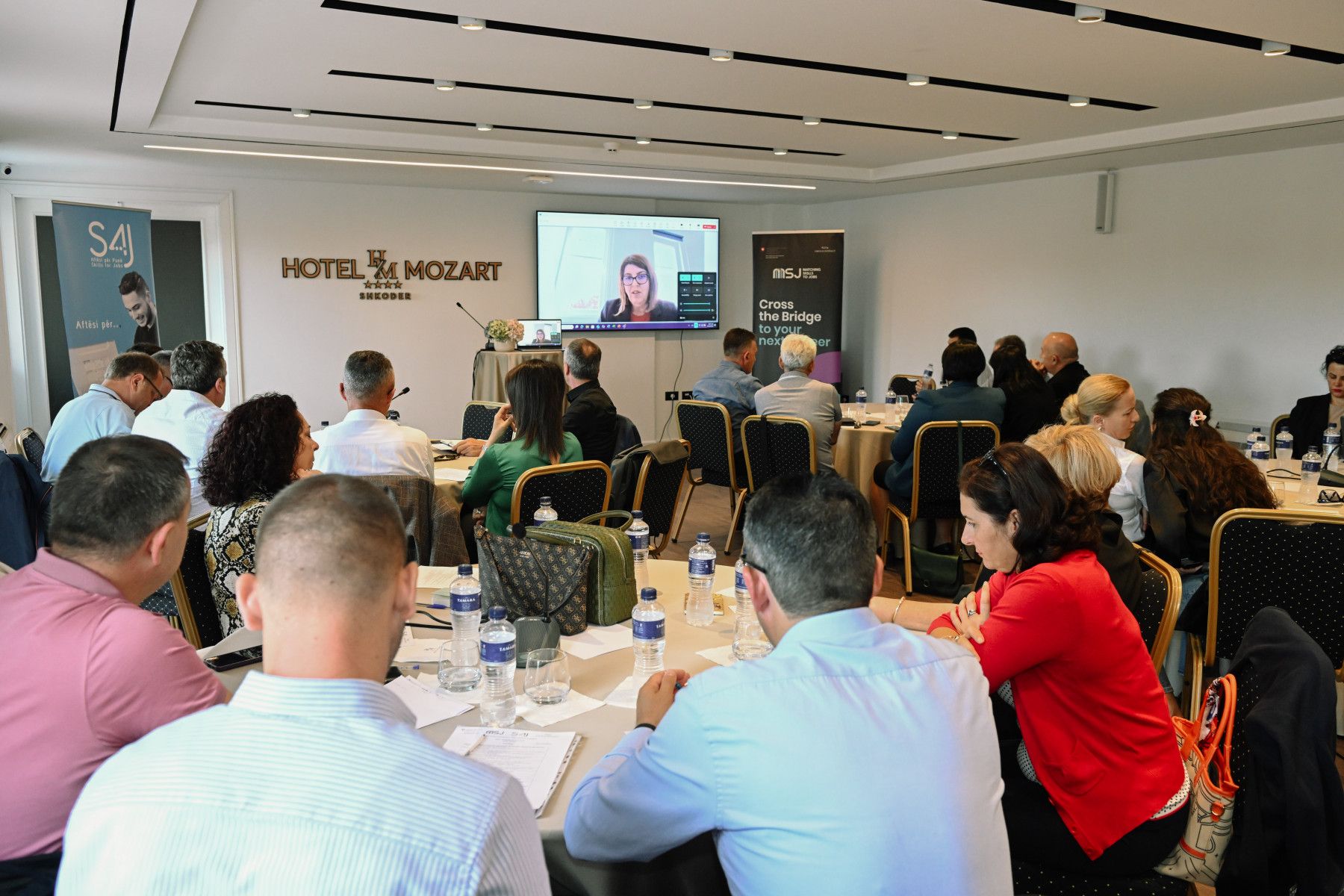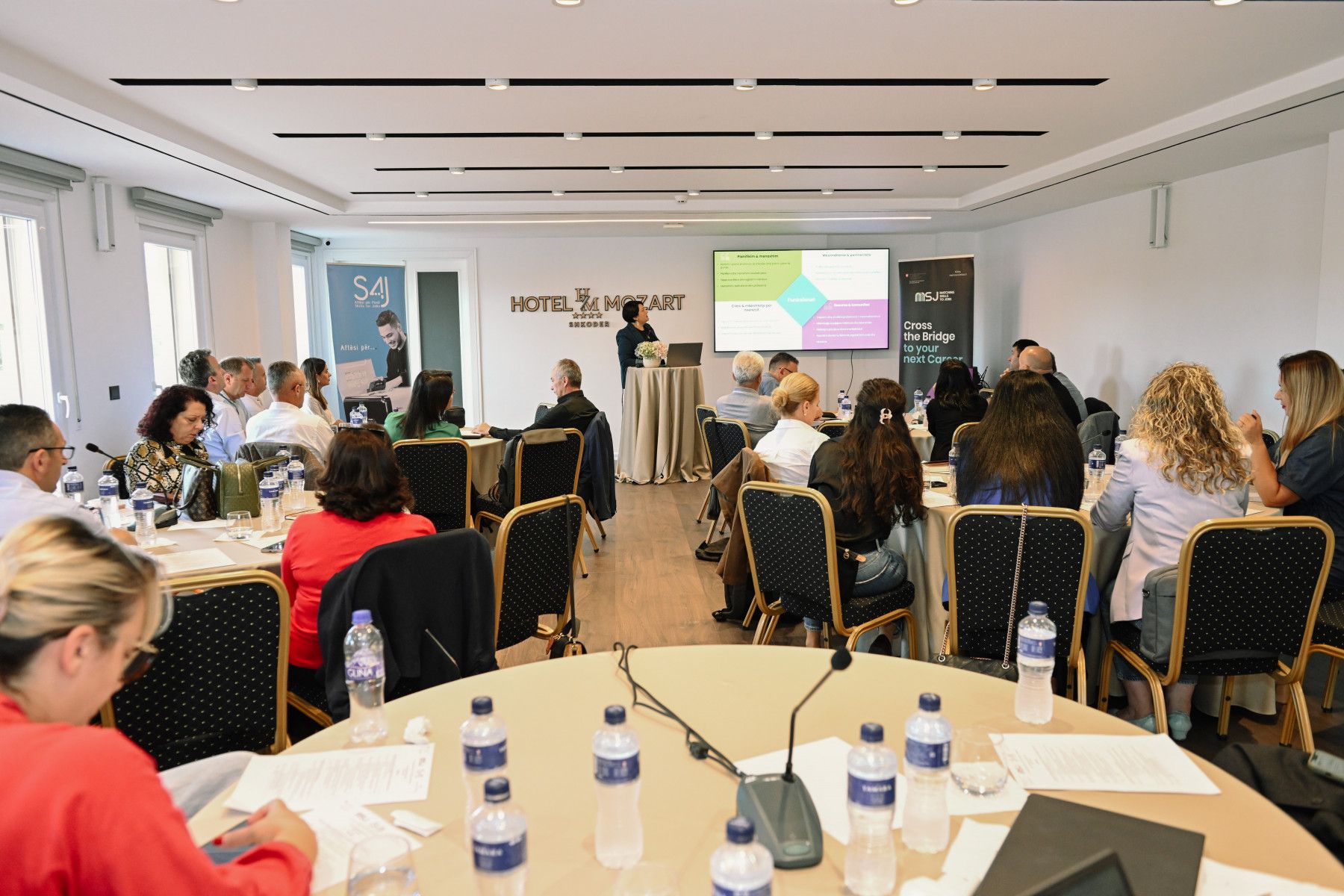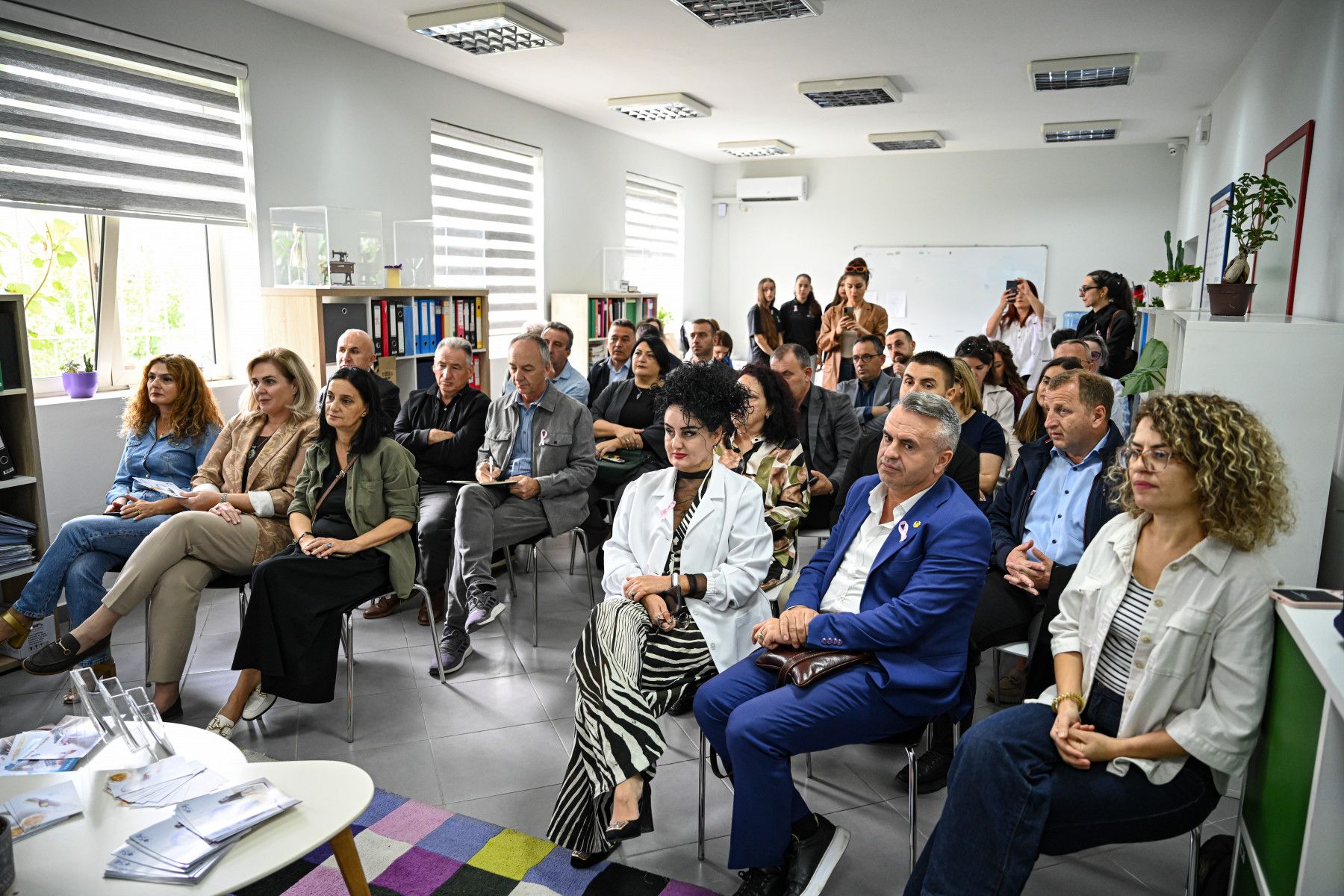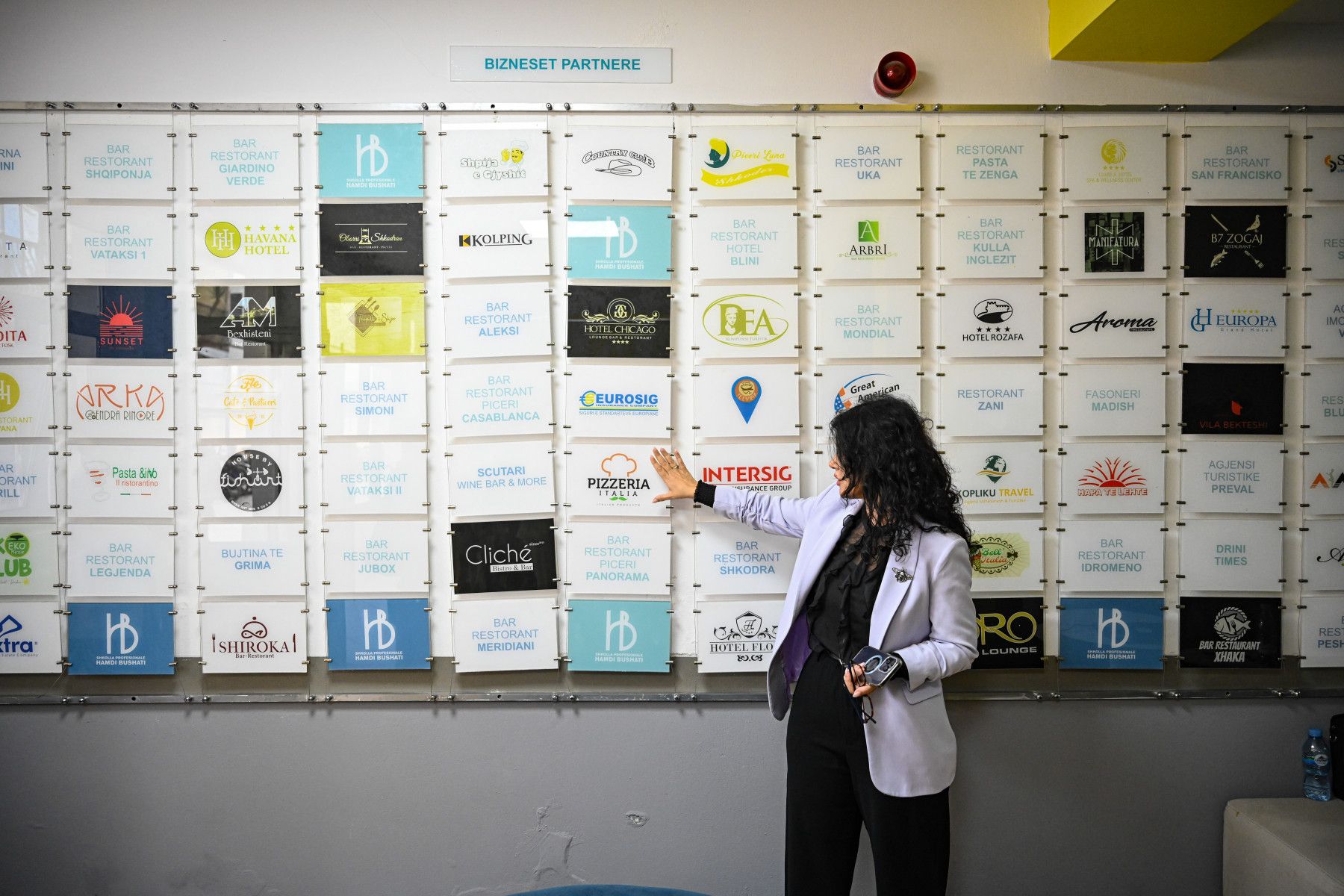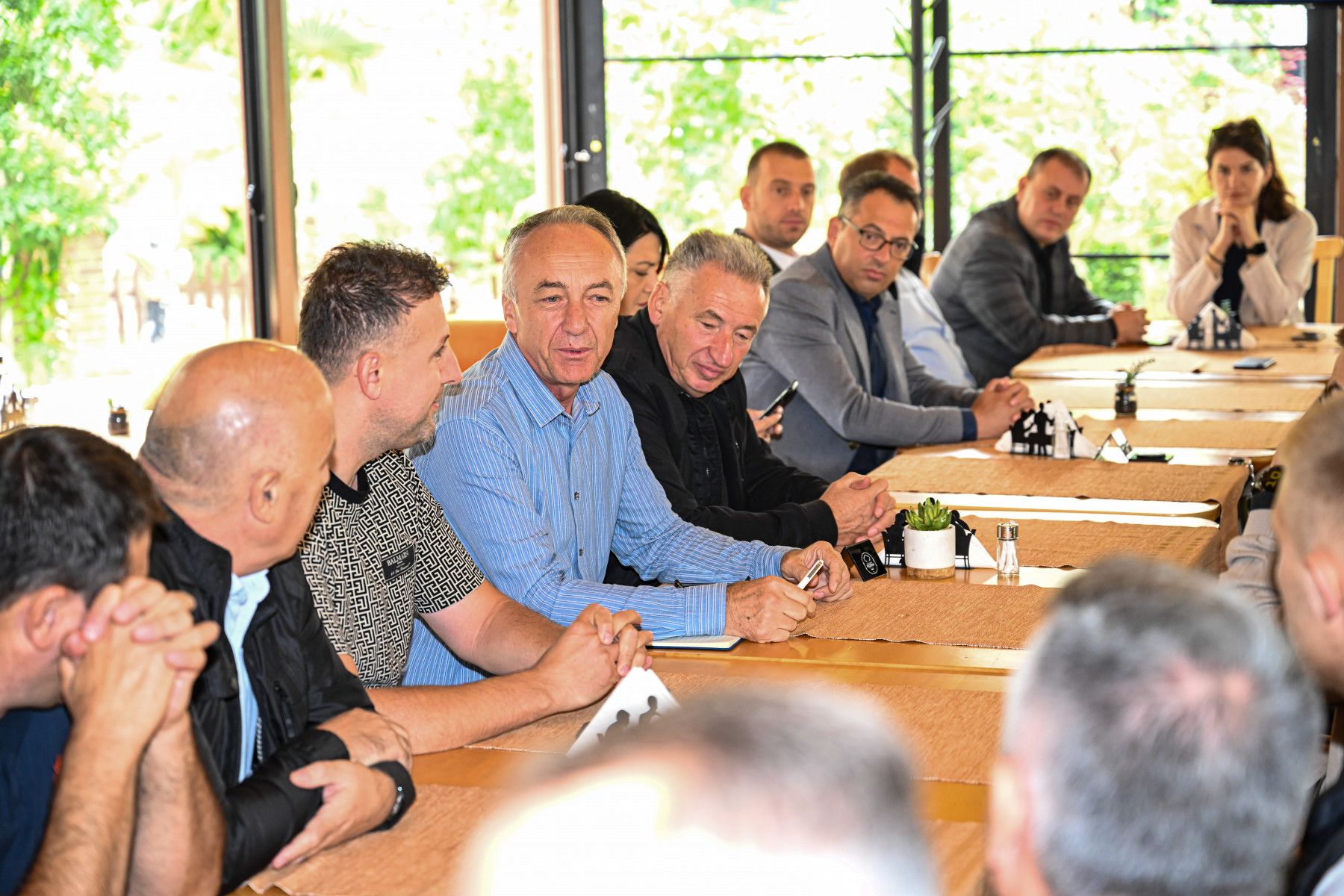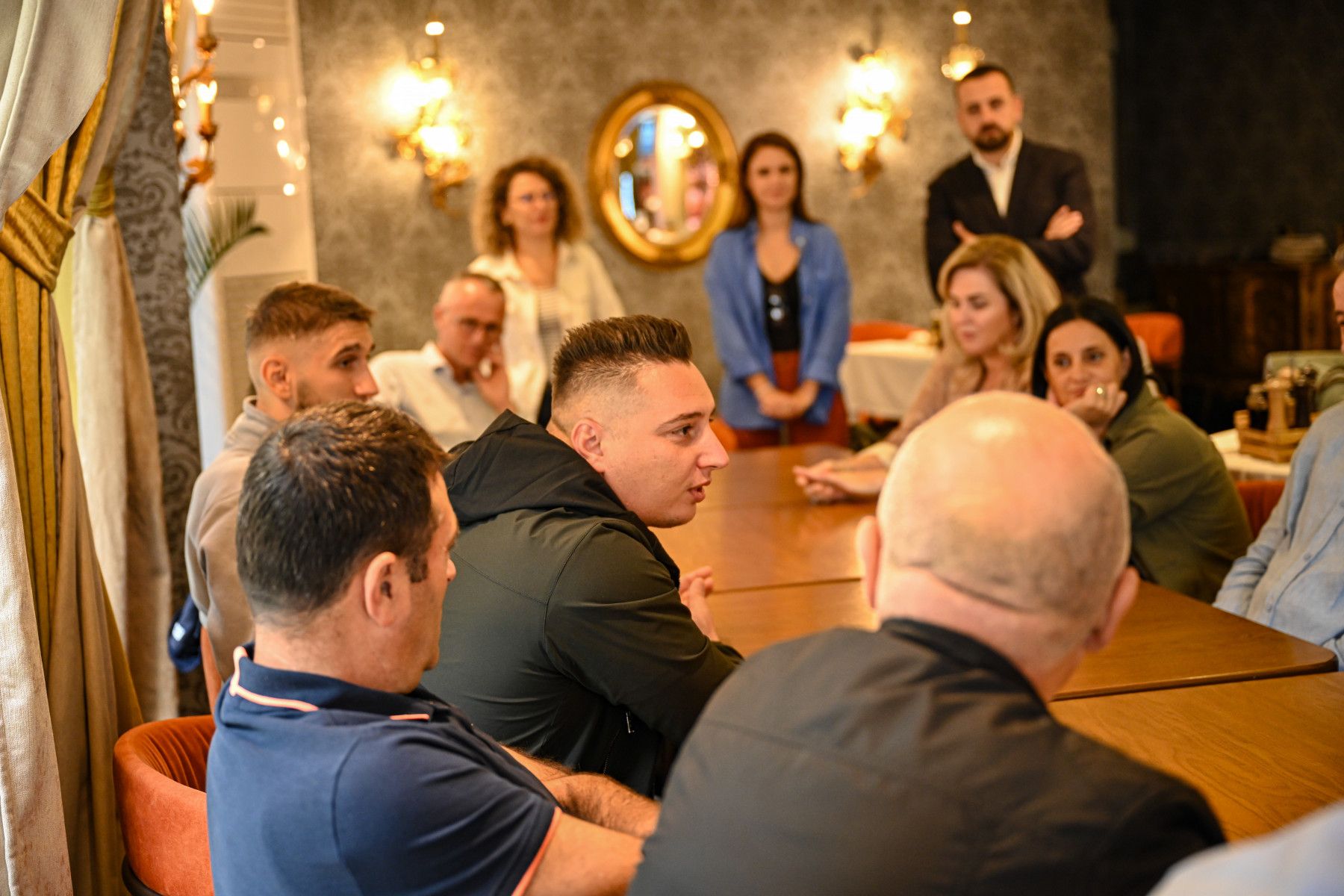
From 30 September to 2 October 2025, a group of vocational school directors and professional school coordinators from Kosovo traveled to Albania to exchange knowledge, share experiences, and engage in collaborative activities with their Albanian counterparts.
For three days, they explored how stronger governance can help vocational schools become more autonomous, more accountable, and more responsive to the needs of students and employers.
The visit was organized within Swisscontact’s Matching Skills to Jobs project, which supports the development of a new governance model for vocational schools in Kosovo. The model aims to give schools the tools to make their own decisions, involve the private sector more closely, and provide a tested framework for the upcoming reform of vocational education in the country.
The directors and coordinators were introduced to Albania’s “development units”, an approach championed by Swisscontact’s Skills for Jobs (S4J) project in Albania. These units bring teachers, managers, and private sector partners together in a structured way, ensuring that schools not only manage daily operations effectively but also plan strategically for the future.
Seeing these practices in action offered a valuable perspective. The Kosovo delegation observed how development units helped schools become more agile and motivated, able to adjust their programs to better serve both learners and employers.
The lessons from Albania will not remain only as impressions, as they will directly inform the MSJ project’s governance model, ensuring that the future of vocational education in Kosovo is shaped by proven practices. Once developed, this model will provide a foundation for new policies and reforms, making schools better prepared to meet the expectations of their communities and economies.
This study visit reflects Swisscontact’s belief that change is strongest when it grows from exchange and cooperation. By learning from Albania’s successes, Kosovo’s vocational schools are building a path toward greater autonomy and stronger partnerships with the private sector.
It is a step forward not just for individual schools, but for the entire vocational education system, laying the groundwork for a future where schools play a central role in creating opportunities for young people and supporting economic growth.
The Matching Skills to Jobs (MSJ) project in Kosovo and the Skills for Jobs (S4J) project in Albania are projects of the Swiss Agency for Development and Cooperation, implemented by Swisscontact. Their objective is to strengthen and elevate the vocational skills development sector in both countries.